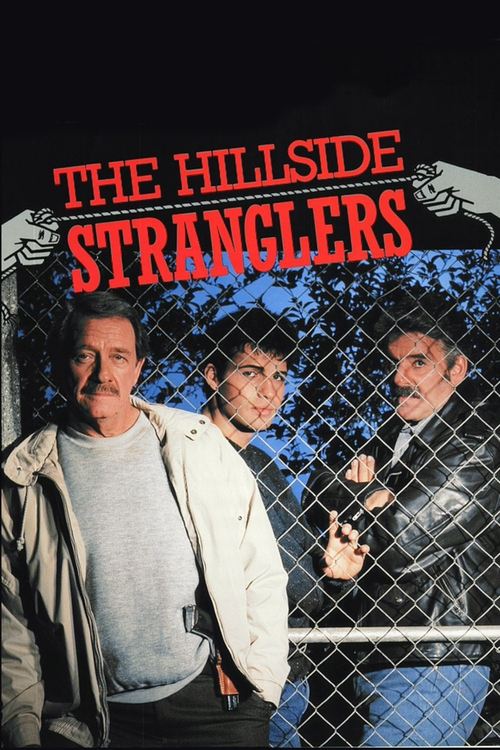
The Case of the Hillside Stranglers
1989
No user ratings available yet
Representation score: 0.6 out of 10
Representation Score
Limited
1989
PG-13Director
Bruce Seth Green
Runtime
95 minutes
Average Rating
No ratings yetNew Showbiz Analysis
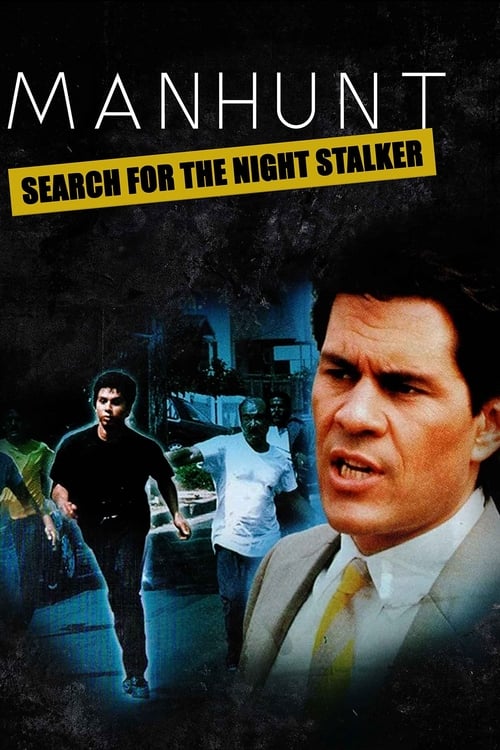
Manhunt: Search for the Night Stalker is a period-accurate crime procedural that prioritizes genre tension over social complexity. It adheres to the institutional norms and investigative structures typical of late 1980s television. The film captures the multi-ethnic texture of Los Angeles but does not delve into the deeper systemic implications of race or identity. Characters are defined by their roles within the investigation, particularly concerning gender and disability. Ultimately, the film reinforces existing social hierarchies without challenging them. It presents a clear moral dichotomy between the law and the predator, lacking the intentionality needed for more inclusive storytelling.
Category Breakdown
The film focuses solely on heterosexual relationships and does not include any LGBTQ+ themes or non-cisgender identities.
Female characters mainly serve as victims or secondary figures, supporting the male protagonists' storylines. The narrative emphasizes traditional 1980s law enforcement hierarchies and masculine leadership.
The cast includes actors representing various ethnicities found in Los Angeles. However, race is used to establish geographic context rather than exploring systemic power or multiple aspects of identity.
The story follows a conventional Western framework centered around justice and morality. It prioritizes institutional authority and legal retribution over any complex moral relativism or cultural subversion.
The antagonist's psychological instability is portrayed as a threat. This condition is used to establish danger levels but does not offer a nuanced portrayal of neurodivergence.
Present on Screen
Limited or Absent
Official Synopsis
Based on the true story of Richard "The Night Stalker" Ramirez who terrorized California in 1985 and the two Los Angeles police detectives who try to track him down.
1989
1968
1985
2013
2001

2016
2005

1986
No reviews yet. Be the first to share your thoughts on this movie!
Use the rating form above to leave a star rating and optional review.