
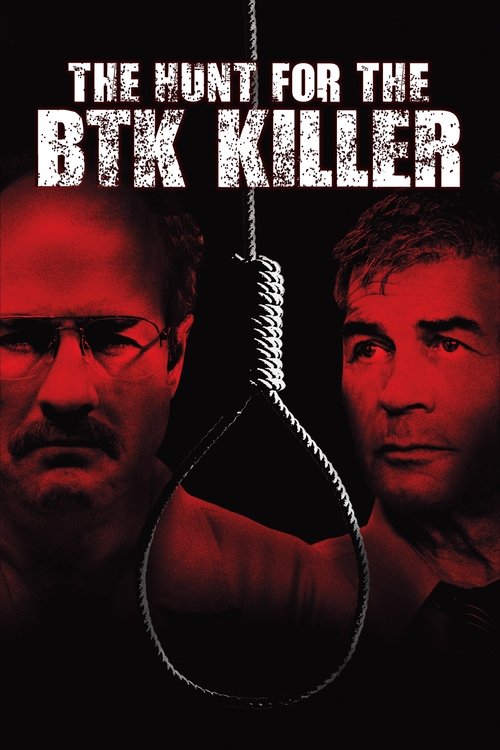
B.T.K. Killer
2005
No user ratings available yet
Representation score: 1.4 out of 10
Representation Score
Minimal
2005
RDirector
Stephen Kay
Runtime
82 minutes
Average Rating
No ratings yetNew Showbiz Analysis
The film follows a standard biographical crime procedural format, prioritizing investigative mechanics over the exploration of diverse identities. It adheres to the conventional framework of the true-crime genre, focusing on the psychological profile of Dennis Rader and the pursuit of justice. Because the narrative is built around a factual reconstruction of a specific historical investigation, it maintains conventional depictions of authority and social structures. It does not attempt to challenge established norms or utilize identity politics to drive the story forward. Ultimately, the production operates within a traditionalist framework, lacking systemic critique or multi-layered complexity, resulting in a depiction of society that remains largely homogeneous and non-subversive.
Category Breakdown
The film does not include any LGBTQ+ characters. The story focuses on the criminal investigation and the traditional domestic life of the perpetrator.
The narrative centers on male-dominated law enforcement spaces. Female characters have limited ability to act, appearing mainly as victims or family members in traditional roles.
The production features a relatively homogeneous demographic consistent with the setting. There are no efforts to diversify the cast through race-bent casting.
The film emphasizes Western institutional values by focusing on the effectiveness of law enforcement. Traditional family structures are presented as the norm of the community.
There is no evidence of visible or invisible disabilities being integrated into character arcs or used as meaningful narrative elements.
Present on Screen
Limited or Absent
Official Synopsis
After 31 years at-large, detectives in Wichita, Kansas hone in on the serial killer known as BTK.
2005
2009
1989
2001
2016
2013

2009
1985
No reviews yet. Be the first to share your thoughts on this movie!
Use the rating form above to leave a star rating and optional review.