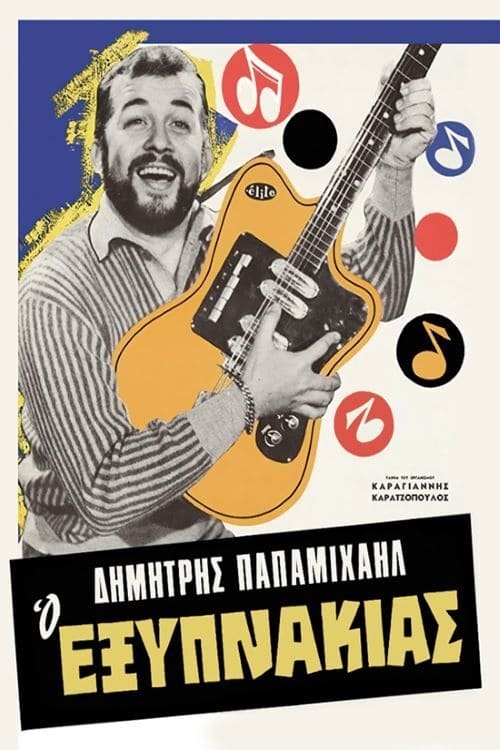
The Smart Aleck
1966
No user ratings available yet
Representation score: 1.4 out of 10
Representation Score
Limited
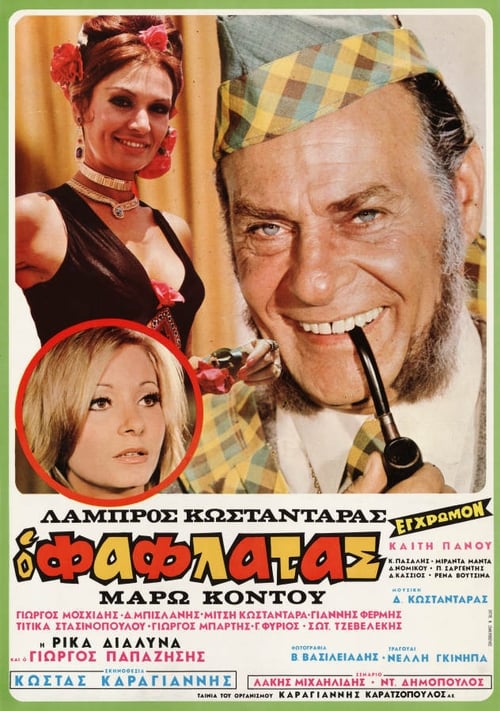
1971
Director
Kostas Karagiannis
Runtime
89 minutes
Average Rating
No ratings yetNew Showbiz Analysis
The Windbag is a conventional period comedy that relies heavily on established social hierarchies. Its narrative engine is driven by class-based irony and the misunderstanding of a woman's true lineage. While the film offers a mild critique of aristocratic posturing, it does not seek to disrupt systemic norms. Characters function as traditional archetypes within a standard social framework, prioritizing genre-specific storytelling over multi-layered complexity. Ultimately, the film lacks intentional subversion of gender, race, or identity, reflecting the homogeneous and traditional cinematic landscape of its era.
Category Breakdown
The story centers on a traditional heterosexual romance between a lawyer and a receptionist, without exploring non-binary or LGBTQ+ identities.
The female lead's worth is tied to her hidden aristocratic status rather than her proactive role in the story. The male lead's role focuses on ego and traditional masculine authority.
The film reflects a homogeneous social environment typical of 1971 Greek cinema, focusing on class distinctions rather than multi-ethnic or racial diversity.
The plot critiques aristocratic pretension but operates within a traditional social framework, emphasizing lineage and social standing.
There is no evidence of characters with visible or invisible disabilities within the narrative.
Present on Screen
Limited or Absent
Official Synopsis
A pretentious lawyer, the scion of an aristocratic family, falls in love with a simple receptionist and rejects her, unaware that she is the daughter of a count.
1966
1982

1963
1969
1962
1959
1959
1966
No reviews yet. Be the first to share your thoughts on this movie!
Use the rating form above to leave a star rating and optional review.