Time We Lost
2025
No user ratings available yet
Diversity score: 4.7 out of 10
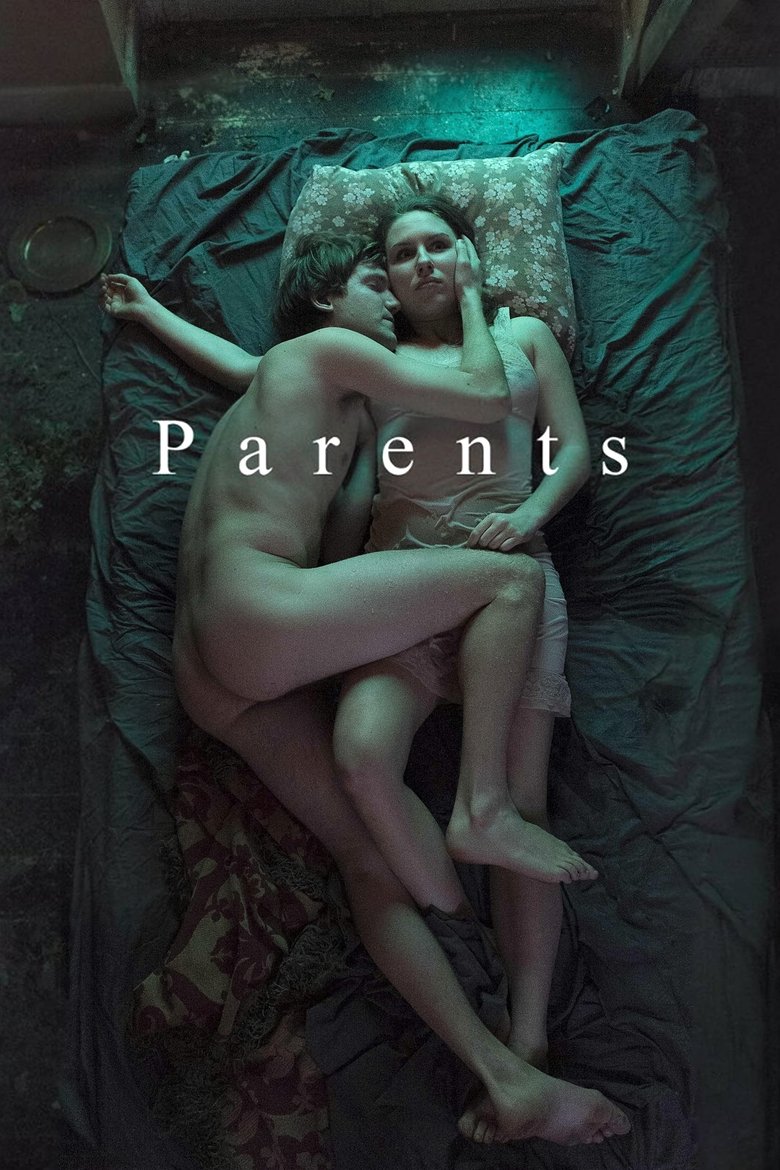
2016
GDirector
Christian Tafdrup
Runtime
86 minutes
Average Rating
No ratings yetSynopsis
Parents tell the story of two parents who attempt to fill the void in their lives after their child moves out. Left with a feeling of needlessness, they try to rekindle the magic sparks from their younger days, returning to their old student apartment where they first fell in love. When one morning they wake up feeling thirty years younger, they are forced to come to terms with the fact that the past they once knew might no longer exist.
Overall Score
Limited
Category Breakdown
LGBTQ+ Representation
The film operates within a strictly heteronormative framework. It focuses entirely on the nuclear family unit without any visible queer-coded subtext or non-cisnormative identities.
Gender Representation
Gender is explored through the subversion of parental archetypes. The film dismantles the idea of stable providers, though it lacks an explicit progressive social critique.
Racial & Ethnic Diversity
The setting reflects a homogeneous, middle-class Danish suburban environment. There is a notable absence of racial or ethnic plurality within the primary cast.
Religious & Cultural Diversity
The narrative provides a profound deconstruction of Western social institutions. It challenges the sanctity of the family unit by portraying it as a site of systemic dysfunction.
Disability Representation
There is no discernible representation of physical, neurodivergent, or sensory disabilities. Psychological states are framed through existential dread rather than specific disability agency.
Strengths
Areas for Improvement
AI Analysis
Parents is a demographically conventional film that finds its strength in narrative disruption rather than demographic breadth. It focuses heavily on the breakdown of the traditional nuclear family, using psychological horror to challenge Western social norms and the perceived stability of parental authority. While the film lacks intersectional representation—specifically regarding LGBTQ+ identities, race, and disability—it succeeds in a postmodern critique of domesticity. It replaces the 'ideal' family drama with a landscape of moral relativism and unsettling agency. Ultimately, the work is a localized, culturally specific study of middle-class Danish life. It prioritizes the deconstruction of social roles over the inclusion of diverse identities.
2025

2012

2018

2016
2021

2020

2017

2017

2013

2020

2017

2020
No reviews yet. Be the first to share your thoughts on this movie!
Use the rating form above to leave a star rating and optional review.