Lugosi: The Dark Prince
2006
No user ratings available yet
Representation score: 2.4 out of 10
Representation Score
Limited
2005
Director
Constantine Nasr
Runtime
53 minutes
Average Rating
No ratings yetNew Showbiz Analysis
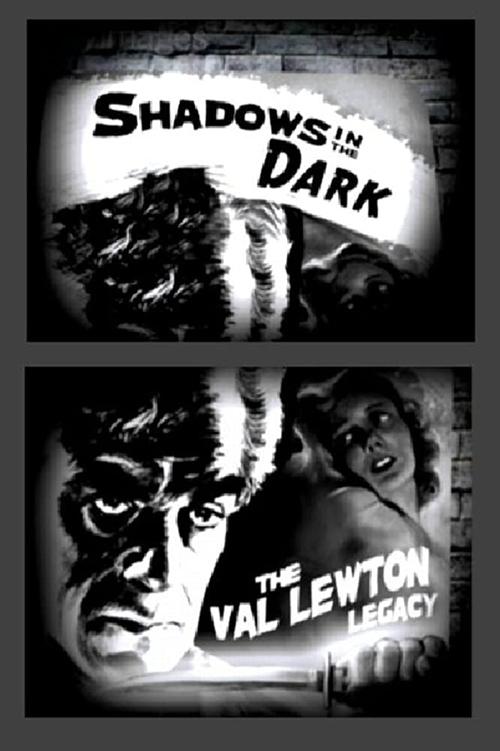
This documentary serves as a scholarly examination of Val Lewton’s impact on the horror genre. It emphasizes film historiography and the technical evolution of atmospheric tension over the representation of diverse identities. The film's value lies in its intellectual deconstruction of mid-20th-century clichés. It highlights a producer who favored psychological nuance over the explicit violence common in his contemporaries' work. While the documentary respects its historical context, it does not actively center diverse identities.
Category Breakdown
The documentary focuses on historical film production and technical legacy. It does not include any LGBTQ+ characters or narratives.
The film provides insight into the 1940s studio system and its gender hierarchies. However, it does not focus on female empowerment or modern subversions of gender roles.
The subject matter is limited by the homogeneity of 1940s Hollywood. There is no indication of diverse casting or intentional race-bending in the production.
The documentary critiques conventional Hollywood storytelling by emphasizing psychological complexity. It favors nuanced, subjective morality over the traditional moralistic narratives of the time.
There is no information about the portrayal of physical or neurodivergent disabilities in this historical retrospective.
Present on Screen
Limited or Absent
Official Synopsis
Documentary about the great 1940s horror movie producer Val Lewton, featured on the 2005 DVD release "The Val Lewton Horror Collection."
2006
2019
2006
2010
1987
2012
2018
2008
No reviews yet. Be the first to share your thoughts on this movie!
Use the rating form above to leave a star rating and optional review.