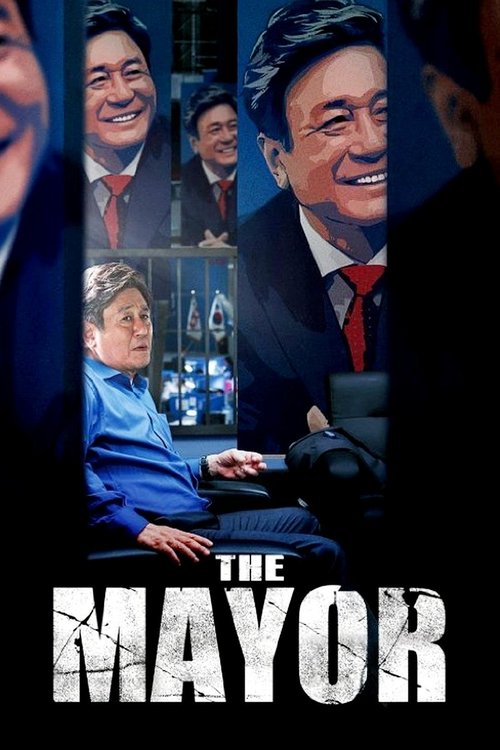
The Mayor
2017
No user ratings available yet
Representation score: 5.7 out of 10
Representation Score
Limited
2012
Director
Cho Keun-hyun
Runtime
135 minutes
Average Rating
No ratings yetNew Showbiz Analysis
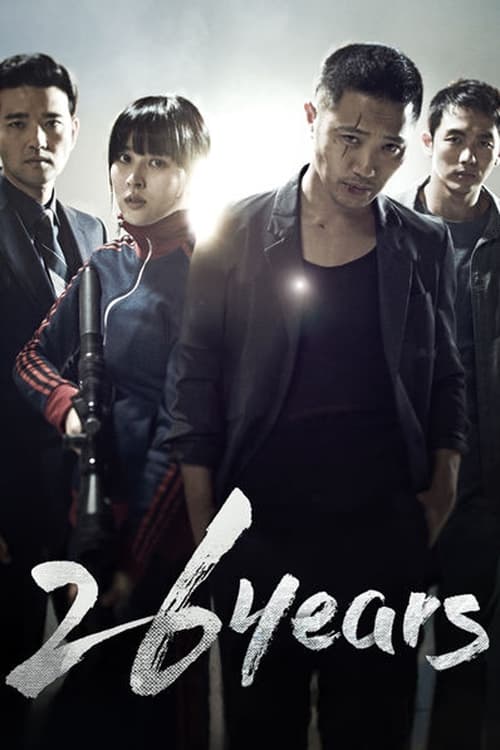
26 Years is a historical critique that challenges state authority. Instead of focusing on diverse demographics, the film examines the systemic harm caused by the 1980 Gwangju Massacre. It disrupts conventional justice narratives by portraying the state as a source of trauma rather than protection. The film’s impact lies in its exploration of historical grievances and the psychological consequences of state-sanctioned violence. It shifts the focus from institutional order to the private, extrajudicial responses driven by systemic failures.
Category Breakdown
The film does not include any LGBTQ+ characters or stories. The plot revolves around family loss and the aftermath of a historical massacre.
The story emphasizes masculine themes of revenge and retribution. It explores the emotional impact on families but does not highlight female empowerment or challenge gender roles.
As a South Korean film, it centers on a specific historical event. It offers a detailed look at a localized, non-Western historical experience.
The film effectively critiques state power and institutional stability. It prioritizes the personal experiences of those affected by the Gwangju events over official narratives.
There is no depiction of physical or neurodivergent disabilities in the film.
Present on Screen
Limited or Absent
Official Synopsis
Three relatives of victims come together to get revenge on a murderer twenty-six years after the massacre. The man had killed groups of people in the 1980 Gwangju murders.
2017
2023

2005
2017
2005
2000

2007

2000
No reviews yet. Be the first to share your thoughts on this movie!
Use the rating form above to leave a star rating and optional review.