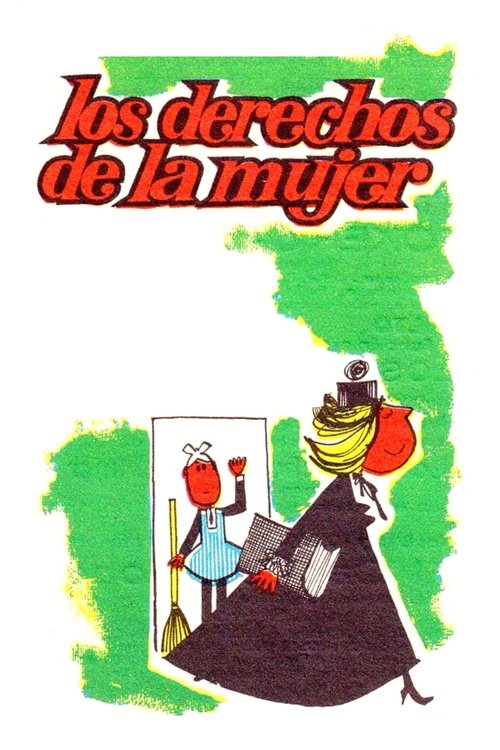
Los derechos de la mujer
1963
No user ratings available yet
Representation score: 4.0 out of 10

Representation Score
Limited
1960
Director
Fernando Fernán Gómez
Runtime
86 minutes
Average Rating
No ratings yetNew Showbiz Analysis
For Men Only is a period comedy that challenges gendered professional boundaries. By focusing on a woman entering a male-dominated ministry, the film highlights the tension between female empowerment and patriarchal structures. However, the film lacks multi-layered depth. It presents a demographically homogeneous view of 19th-century Spain, offering little representation of LGBTQ+ identities or diverse racial backgrounds. Ultimately, the film serves as a focused study of gendered institutionalism rather than a broad exploration of diverse identities.
Category Breakdown
The film does not include any explicit LGBTQ+ characters or representations of non-straight relationships. The narrative emphasizes professional gender roles rather than sexual orientation, reflecting the societal norms of 1960s Spain.
Flora, the female protagonist, challenges traditional gender hierarchies by entering a male-dominated professional space. Her presence in the ministry disrupts expectations of female passivity and highlights institutional sexism.
Set in late 19th-century Spain, the film reflects the demographic homogeneity of the time. There is no indication of significant ethnic diversity or race-bent casting.
The story critiques restrictive bureaucratic and social orders through Flora's challenge to a state ministry. However, it does not offer broader systemic critiques or explicit moral relativism.
There is no discernible information regarding the portrayal of physical or neurodivergent disabilities in this work.
Present on Screen
Limited or Absent
Official Synopsis
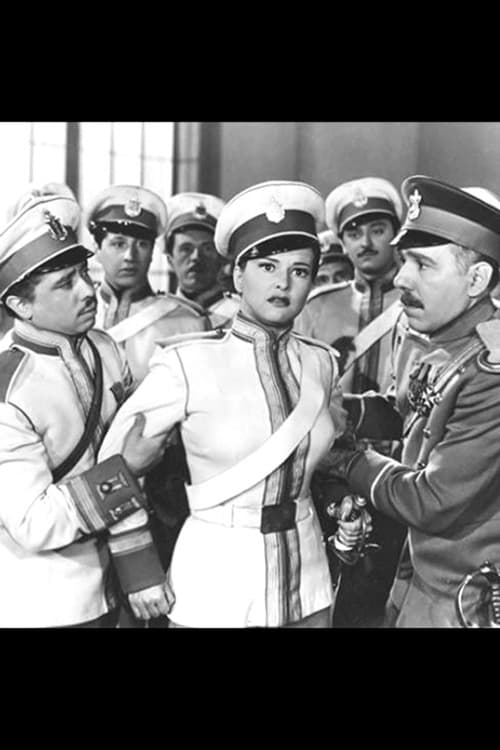
Spain, late 19th century. When, in a time of great political instability, Flora, a beautiful young woman, starts working in a ministry doing a job that supposedly only a man can do, a great scandal breaks out.
1963
1992
1964
2015
1944
2001
1972

1946
No reviews yet. Be the first to share your thoughts on this movie!
Use the rating form above to leave a star rating and optional review.