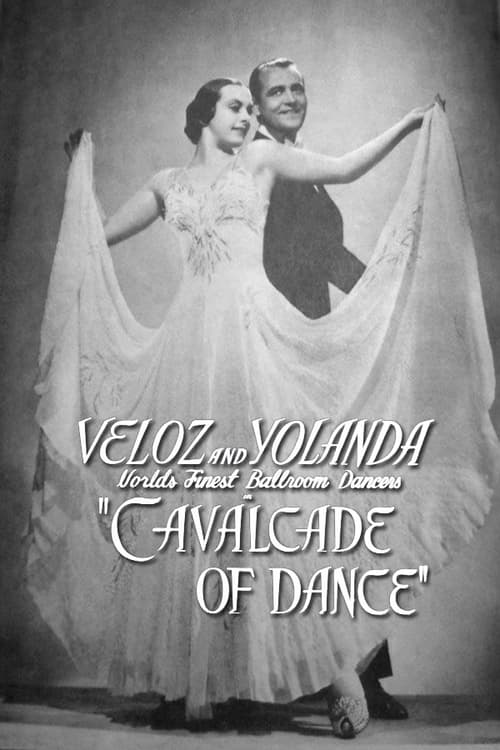
Cavalcade of Dance
1943
No user ratings available yet
Representation score: 1.8 out of 10
Representation Score
Good
2003
GAverage Rating
No ratings yetNew Showbiz Analysis
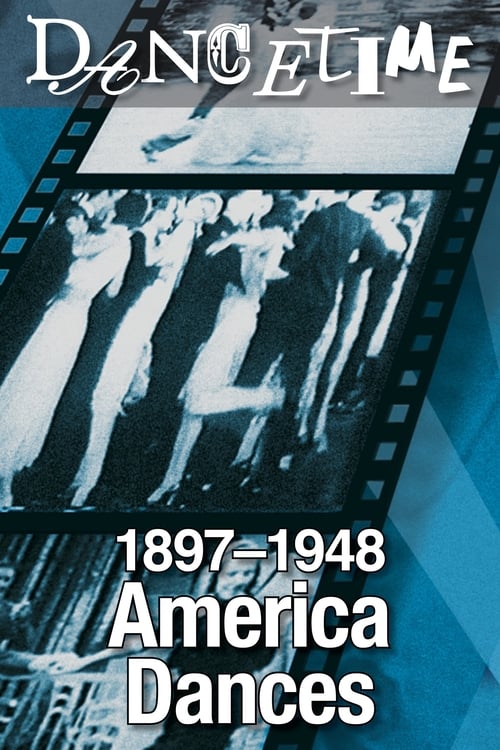
America Dances! serves as a vital historical archive that disrupts monolithic views of American culture. Its greatest strength is showcasing how Black dancers centrally drove the nation's rhythmic and social evolution. While the documentary is limited by the inherent biases of its archival sources, its curation allows for a sophisticated reading of how identity and social power were negotiated. It moves beyond simple celebratory clichés to show the systemic pressures of the era. Ultimately, the film functions as a sociological study, using dance to mirror the complex cultural shifts of the first half of the 20th century.
Category Breakdown
The film captures social dance styles that historically allowed for non-traditional gender expressions. However, the footage remains observational, lacking explicit contemporary commentary on LGBTQ identities.
The documentary highlights women's ability to drive the story through performers like Irene Castle. It documents the shift from rigid ballroom structures to more egalitarian, kinetic movement styles.
Black innovation is central to the film, specifically through the Whitey's Lindy Hoppers. This highlights the profound influence of Black dancers on American popular culture.
The film explores American institutions, including the intersection of community and capitalism. It captures both the American Dream and the exploitative nature of dance marathons.
The archival clips focus primarily on able-bodied performers. While dance marathons show physical exhaustion, they serve as studies of economic desperation rather than disability ability to act.
Present on Screen
Limited or Absent
Official Synopsis
Providing a half-century retrospective of social dance in America, this fascinating documentary demonstrates how dance mirrored culture in the first half of the 20th century. Featuring footage of hoofers such as Irene and Vernon Castle, the famed Whitey's Lindy Hoppers, average Americans cutting a rug in newsreels and the 1930s' excruciating dance marathons, the video includes 60 historical dance clips from 1897 to 1948.
1943

1985
2003
2003
2002
2017
1997
1950
No reviews yet. Be the first to share your thoughts on this movie!
Use the rating form above to leave a star rating and optional review.