
The Swallows of Kabul
2019
No user ratings available yet
Representation score: 8.7 out of 10
Representation Score
Fair
2019
Director
Sharmeen Obaid-Chinoy
Runtime
15 minutes
Average Rating
No ratings yetNew Showbiz Analysis
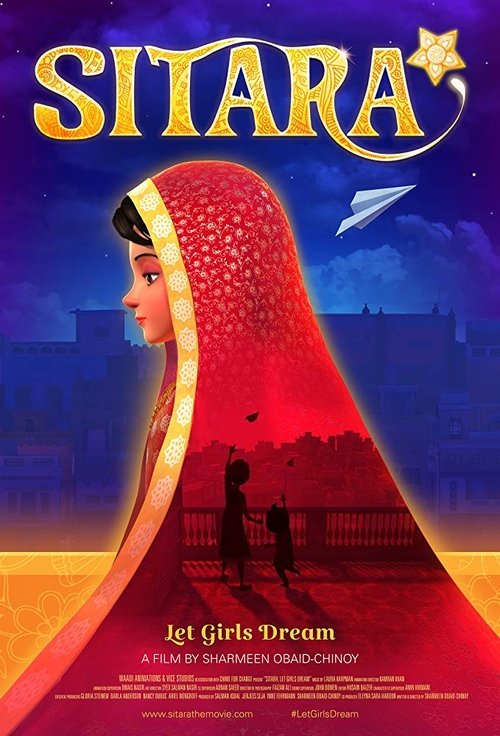
Sitara: Let Girls Dream is a social commentary film that uses animation to challenge systemic gender hierarchies. By focusing on a young girl's aspiration to fly, the film confronts the limitations placed on women by traditionalist frameworks. The work excels in its authentic portrayal of South Asian life, avoiding superficial clichés and providing a localized perspective. It frames the pursuit of education as a vital struggle for autonomy against restrictive social norms. While the film lacks representation for LGBTQ+ identities or non-assuming gender matches what was assigned at birth characters, its focus on gender and ethnicity creates a powerful, progressive narrative.
Category Breakdown
The film does not include any identifiable LGBTQ+ characters or explore non-assuming gender matches what was assigned at birth identities.
The story centers around a girl's dream to become a pilot, challenging traditional gender roles. She resists patriarchal constraints and domestic expectations, playing a significant role in driving the story.
The film provides an authentic, localized perspective on South Asian identity and Pakistani cultural complexities, avoiding Western-centric clichés.
The narrative critiques social institutions that enforce child marriage and restrict female autonomy, framing these customs as systemic barriers to individual rights.
No specific depictions of visible or invisible disabilities are central to the narrative arc.
Present on Screen
Limited or Absent
Official Synopsis
Pari, a 14-year-old girl, dreams of becoming a pilot while growing up in a society that doesn’t allow her to dream.
2019

2015

2023
2016
2021
2021

2018
2017
No reviews yet. Be the first to share your thoughts on this movie!
Use the rating form above to leave a star rating and optional review.