
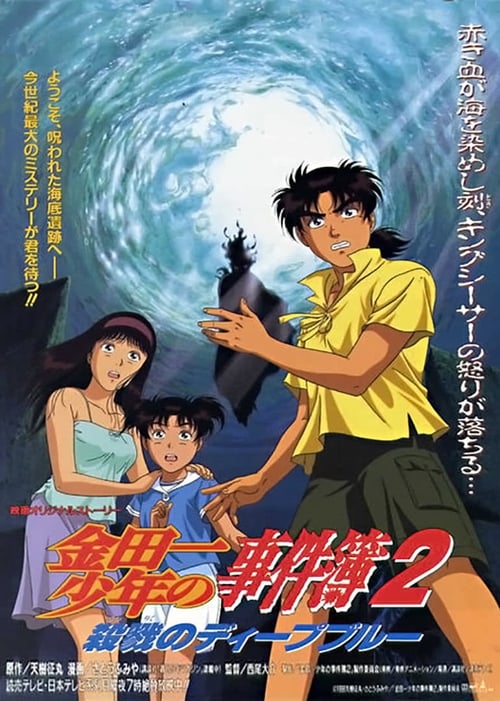
Kindaichi Case Files : The Opera House Murders
1996
No user ratings available yet
Representation score: 5.5 out of 10
Representation Score
Limited
1999
Director
Daisuke Nishio
Runtime
92 minutes
Average Rating
No ratings yetNew Showbiz Analysis
Deep Blue Massacre operates within the traditional mystery genre conventions of late 1990s shonen manga. While the film includes capable female characters and explores the fragility of corporate power, it does not intentionally challenge social norms or offer diverse representation. The narrative structure remains grounded in the demographic patterns of its time, focusing on a localized, homogeneous cast. The tension between the Aizawa Group elite and the infiltrating criminals offers social commentary but follows conventional storytelling patterns.
Category Breakdown
The film does not include any explicitly LGBTQ+ characters or narratives that challenge heteronormativity. The story revolves around a trio of characters within traditional social frameworks typical of late-90s animation.
Female characters such as Akane and Miyuki play important roles, but the main storyline centers on the male protagonist. Women often serve as emotional support rather than taking the lead in solving mysteries.
The cast is predominantly Japanese, reflecting a localized social hierarchy. There is no indication of multicultural casting or race-bending within this domestic context.
The plot critiques the stability of wealthy institutions through a massacre at a private resort. It delves into the vulnerability of high-status corporate structures to systemic violence.
There are no characters with visible or invisible disabilities mentioned in the narrative.
Present on Screen
Limited or Absent
Official Synopsis
Kindaichi, Miyuki and Fumi are invited to the resort of the Deep Blue Island by their senpai Akane, the daughter of the president of the Aizawa Group. A group of criminals infiltrate the hotel diguised as waiters to kill the members of the Aizawa Group. The criminals don't know their boss in person, and they don't know either that he's in the hotel with the members of the Aizawa Group.
1996
2003

2005
2004

2019
2012
2006
2016
No reviews yet. Be the first to share your thoughts on this movie!
Use the rating form above to leave a star rating and optional review.