
Scum
1979
No user ratings available yet
Representation score: 3.2 out of 10
Representation Score
Good
1995
RDirector
Alkinos Tsilimidos
Runtime
92 minutes
Average Rating
No ratings yetNew Showbiz Analysis
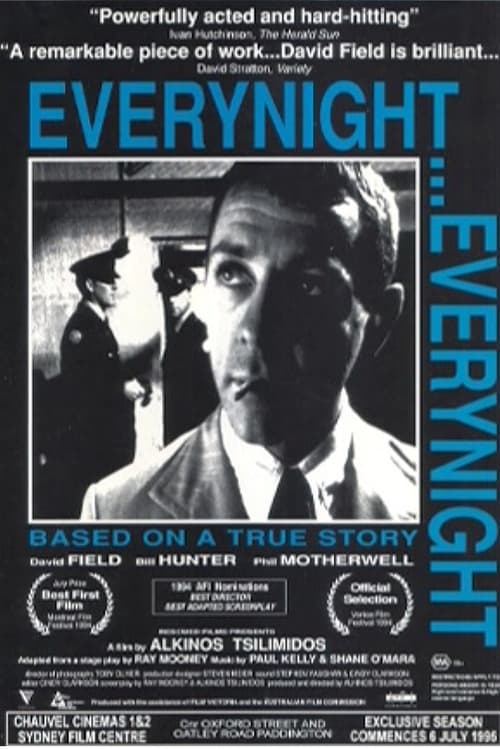
Everynight... Everynight is a gritty character study centered on the psychological toll of institutionalization. It prioritizes the individual's struggle against systemic injustice over broad identity-based representation. The film excels at deconstructing state authority. By portraying the prison system's failure to produce disciplined bodies, it offers a sophisticated critique of traditional Western institutions and moral rehabilitation. However, the film's narrow focus on a hyper-masculine, male-only environment limits its diversity. It lacks significant markers for LGBTQ+, gender, or racial representation, remaining rooted in a specific, traditional criminal underworld.
Category Breakdown
The film focuses on a hyper-masculine, violent prison environment where there are no LGBTQ+ characters or narratives exploring non-straight relationships.
The narrative centers on a male protagonist within a patriarchal institution. There is no women's ability to drive the story or subversion of gender hierarchies in this male-only setting.
Set in a specific Australian historical context, the film focuses on an individual's struggle. It lacks a diverse cast or race as a central theme.
The film critiques institutional authority by framing the correctional system as a failure. It prioritizes individual ability to act and subversive existence over state-sanctioned morality and order.
Physical trauma and beatings serve as plot drivers for psychological transformation. These elements highlight systemic cruelty rather than providing a nuanced exploration of permanent disability.
Present on Screen
Limited or Absent
Official Synopsis
Is an Australian drama film directed by Alkinos Tsilimidos and released in 1994. Based on a play of the same name, written by Ray Mooney, the film details the early life of contract killer Christopher Dale Flannery and is set inside Melbourne's HM Prison Pentridge's maximum security H Division.[1] Filming was undertaken at HM Prison Geelong. Dale, a remandee, is awaiting a court hearing and yet to be sentenced, highlighting the horrific injustice of the repeated beatings he's subjected to. Gradually Dale becomes indifferent to the bashings and horrors of prison life and develops an alternative, subversive way to exist and express his rage. As Dale walks defiantly from the prison in the last scene to be tried, the failure of the correctional system to produce docile, disciplined bodies pulls its last punch. Even if the system has enframed Dale he has maintained his sanity and his voice.
1979

1983
1996
1980
2007
2022
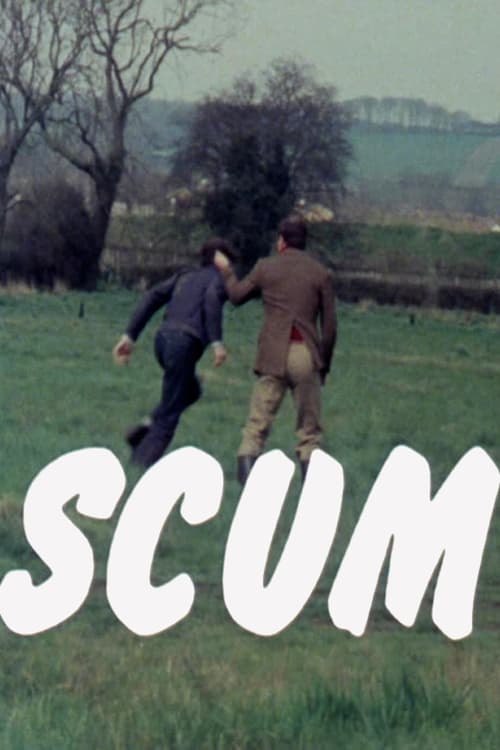
1977
2014
No reviews yet. Be the first to share your thoughts on this movie!
Use the rating form above to leave a star rating and optional review.