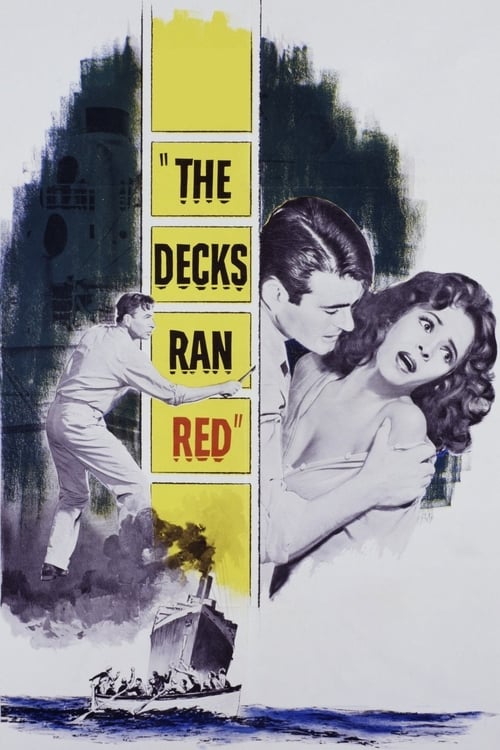
The Decks Ran Red
1958
No user ratings available yet
Diversity score: 1.6 out of 10

1961
NRDirector
Andrew L. Stone
Runtime
91 minutes
Average Rating
No ratings yetSynopsis
In Oregon, two sheriff deputies arrest three teenagers for robbery but are overpowered and taken hostage while forest fires rage all around them.
Overall Score
Minimal
Category Breakdown
LGBTQ+ Representation
The film adheres strictly to the heteronormative social structures of the early 1960s. There is no evidence of non-cisnormative gender identities or same-sex intimacy.
Gender Representation
Women occupy professional or scientific spaces, moving slightly beyond purely domestic archetypes. However, power dynamics remain aligned with traditional hierarchies and masculine leadership.
Racial & Ethnic Diversity
The casting reflects standard 1961 studio practices with a predominantly homogeneous white cast. Characters of color are not integrated into central, high-agency roles.
Religious & Cultural Diversity
The narrative emphasizes scientific protocol and institutional discipline. It promotes the necessity of authority and social order to mitigate catastrophe.
Disability Representation
There is no discernible presence of characters with visible or invisible disabilities. The story focuses on physical survival and technical competence instead.
Strengths
Areas for Improvement
AI Analysis
Ring of Fire is a conventional mid-century survival thriller that prioritizes procedural realism. The narrative architecture is built upon traditional hierarchies and a homogeneous demographic profile. It functions as a straightforward exploration of crisis management within established systemic frameworks. The film does not seek to disrupt conventional expectations of gender, race, or social structure. Instead, it reinforces the stability of Western institutions and the importance of the chain of command during a crisis.
1958

1987

1955

1958
No reviews yet. Be the first to share your thoughts on this movie!
Use the rating form above to leave a star rating and optional review.