The Hitchhiker
2007
No user ratings available yet
Representation score: 4.1 out of 10
Representation Score
Limited
2002
RDirector
Jeff Leroy
Runtime
70 minutes
Average Rating
No ratings yetNew Showbiz Analysis
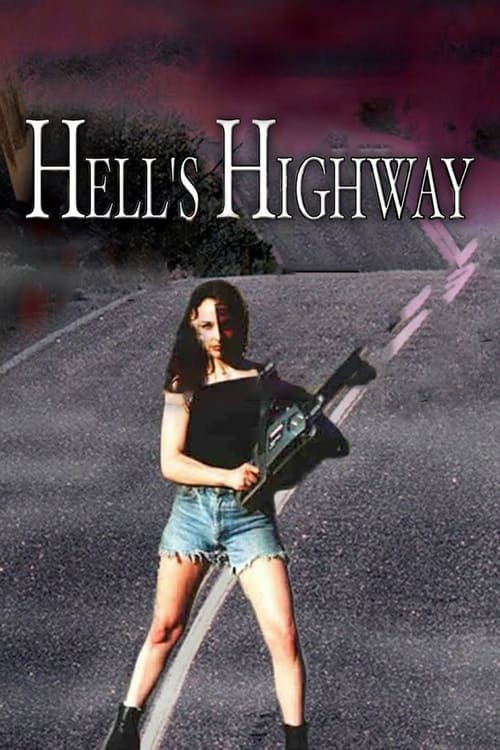
Hell's Highway operates strictly within the established conventions of the slasher and supernatural horror genres. It relies on traditional formulas, such as the sexualized antagonist and the reactive male victim, rather than attempting to disrupt social hierarchies. The narrative prioritizes genre-standard thrills and survivalist tension over progressive social commentary or the subversion of systemic power dynamics. Ultimately, the work functions as a conventional exploitation piece, reinforcing rather than challenging traditional gender and cultural norms.
Category Breakdown
The film focuses on heterosexual relationships and includes a sexually charged character named Lucinda. There is no representation of LGBTQ+ identities or narratives that challenge the assumption that everyone is straight or cisgender.
Lucinda is portrayed as a femme fatale, driving the plot through sexualized violence. Although she plays a significant role in the story, her actions align with traditional horror archetypes rather than challenging gender hierarchies.
The film lacks evidence of a diverse cast. The ensemble appears to follow the homogeneous casting patterns common in early 2000s independent horror.
Religious motifs are used as supernatural tension points rather than tools for critique. The story follows a standard survivalist structure without deconstructing Western institutions.
The film provides no information regarding characters with visible or invisible disabilities. No representation of neurodivergence or chronic illness is present.
Present on Screen
Limited or Absent
Official Synopsis
Four college friends take a fateful road trip. The road, Hell's Highway--a direct route to terror. They pick up Lucinda: A hot young hitchiker, full of sexual deviance and lust for the bloody kill. After being terrorized and nearly killed, the group manages to turn the tables. They thought they killed her, but around the next ben--around every ben-- she appears like a mirage ready to murder again. Is she the devil? Can anyone stop her killing spree?
2007

1981
2008
1975
2015
2007
2003

2007
No reviews yet. Be the first to share your thoughts on this movie!
Use the rating form above to leave a star rating and optional review.