
Three Way
2004
No user ratings available yet
Representation score: 5.1 out of 10
Representation Score
Minimal
1997
RDirector
Leslie Greif
Runtime
113 minutes
Average Rating
No ratings yetNew Showbiz Analysis
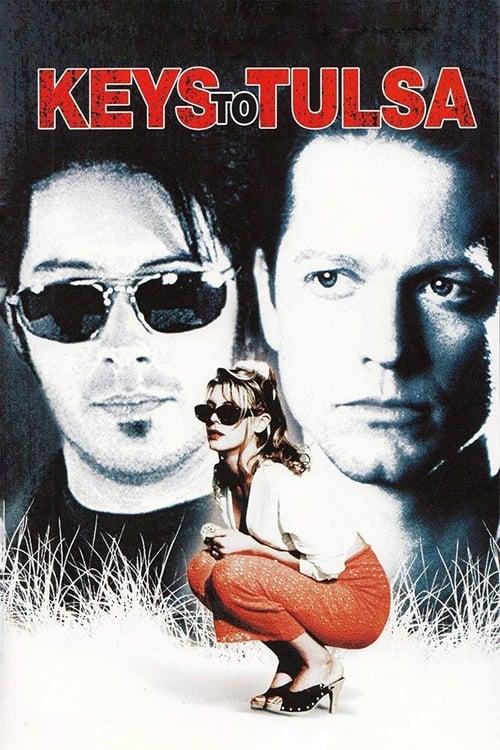
Keys to Tulsa is a traditional crime thriller that emphasizes individualist conflict and genre clichés over identity-driven narratives. The story follows a classic descent-into-crime arc centered on personal control and deception. The film lacks structural elements needed for progressive representation. It focuses on the personal struggles of the protagonist rather than exploring broader social hierarchies or diverse perspectives. Ultimately, the film functions as a conventional noir-style drama, emphasizing themes of blackmail and inheritance theft within a standard social framework.
Category Breakdown
The film focuses on heterosexual relationships and does not include any characters with non-cisgender identities or narratives that challenge the idea that everyone is straight.
The story revolves around male characters and conflicts between Richter and Ronnie. Vicky, while important, mainly serves as a target for a scheme rather than an independent driver of the plot.
The narrative does not feature a diverse cast or explore multiple aspects of identity. The setting suggests a conventional, likely homogeneous, mid-90s American crime drama framework.
The story delves into individual morality and personal consequences such as blackmail and theft. It does not engage with institutional critiques, focusing instead on personal failings within a standard social structure.
The film does not mention any characters dealing with physical, neurodivergent, or mental health disabilities. The narrative does not address disability representation.
Present on Screen
Limited or Absent
Official Synopsis
Richter Boudreau is on a bad streak: Languishing in the shadow of his celebrity mother, he loses his job as a film critic for the town paper, and now he's been approached with a dangerous proposition that ultimately leads to blackmail. Richter's friend Ronnie ropes him into a scheme to steal the inheritance of his wife, Vicky.
2004
2008

1995
1986

2001

1989
2011
1990
No reviews yet. Be the first to share your thoughts on this movie!
Use the rating form above to leave a star rating and optional review.