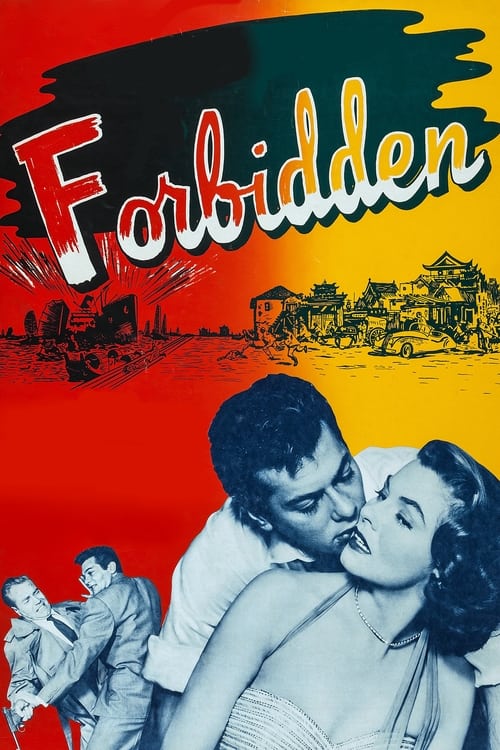
Forbidden
1953
No user ratings available yet
Representation score: 0.4 out of 10
Representation Score
Limited
1952
NRDirector
Andrew Marton
Runtime
96 minutes
Average Rating
No ratings yetNew Showbiz Analysis
The film reflects the early 1950s studio system, emphasizing traditional crime thriller clichés over social critique. Its narrative structure highlights the era’s focus on military authority and Western geopolitical stability. Representation is constrained by the period's censorship and social norms, focusing on masculine-driven investigations within a post-war European context.
Category Breakdown
The film adheres to the strict censorship of the 1950s, preventing any depiction of LGBTQ+ identities. There are no narratives or critiques related to non-straight relationships or gender identities.
The story centers on the masculine-driven actions of the American GI protagonist. Female characters primarily serve in traditional supporting or romantic roles without driving the narrative themselves.
Set in post-war Munich, the film highlights interactions between American military personnel and local Germans. However, it reinforces existing power dynamics without providing deeper multi-layered insights.
The narrative upholds the Western values of the 1950s, presenting the American soldier as a stabilizing force in Europe. It maintains a clear distinction between lawful authority and criminal behavior.
There is no evidence of neurodivergent or physically disabled characters having significant roles. Disability is not a central theme and lacks meaningful representation.
Present on Screen
Limited or Absent
Official Synopsis
Jeff Elliot is an American GI investigating a black market gang in Munich.
1953
1949
1940
1949
1951
1949
1956
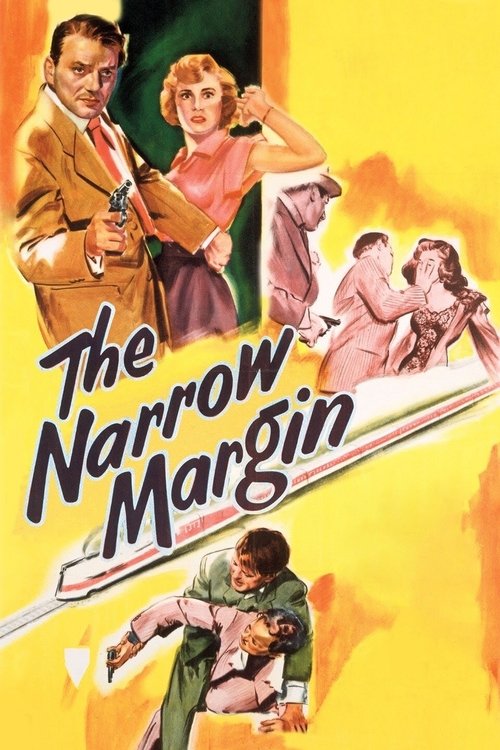
1952
No reviews yet. Be the first to share your thoughts on this movie!
Use the rating form above to leave a star rating and optional review.