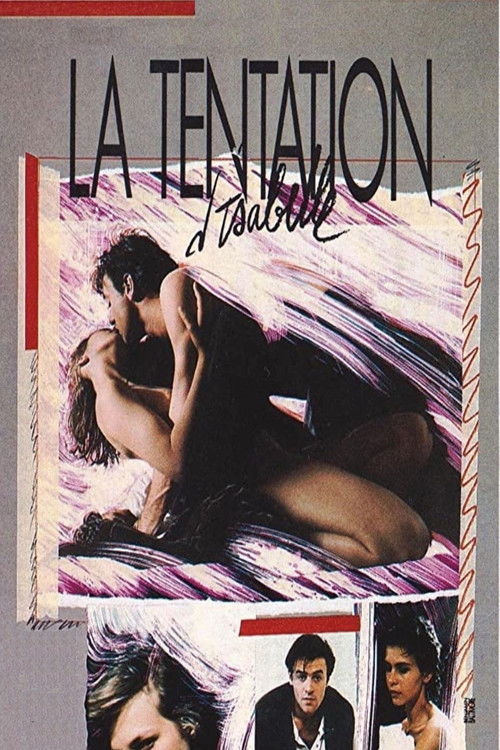
The Temptation of Isabelle
1985
No user ratings available yet
Diversity score: 4.4 out of 10
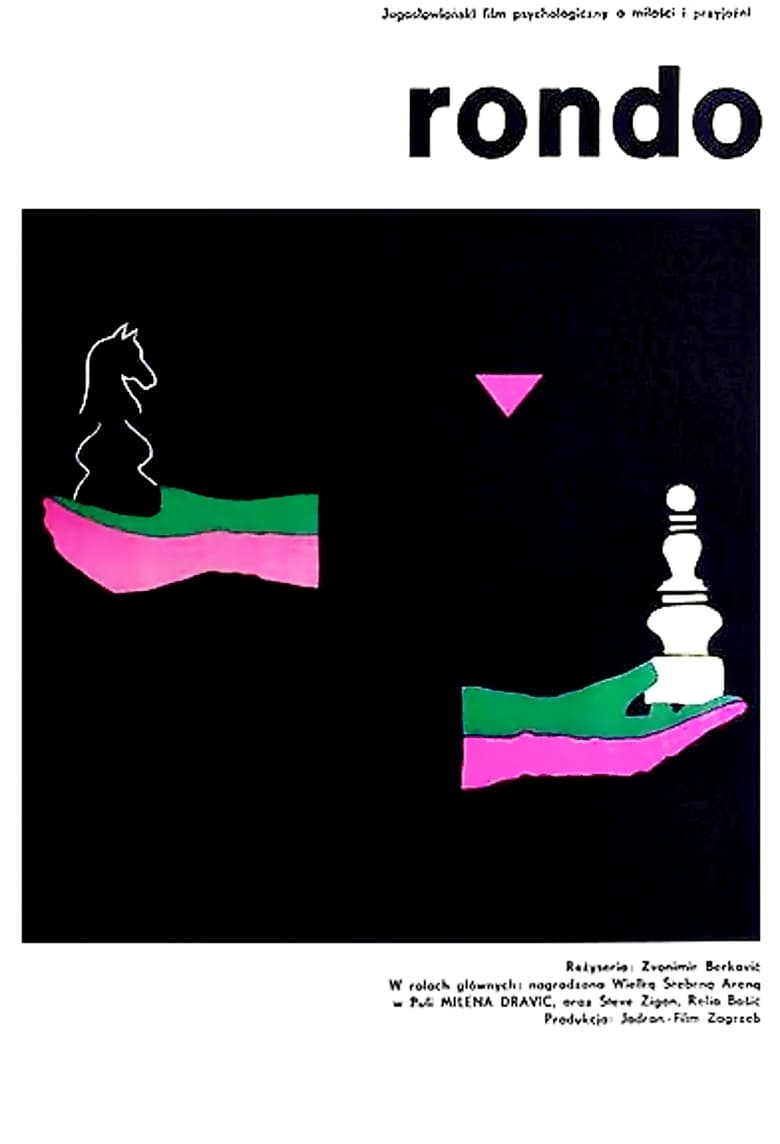
1966
Director
Zvonimir Berković
Runtime
95 minutes
Average Rating
No ratings yetSynopsis
Every Sunday, lonely bachelor and refined judge Mladen goes to play chess with his friend, sculptor Fedji. Slowly, he engages in a love affair with Neda, Fedia's wife, and almost invisibly, a love triangle forms. Chess board is the central part of the film, as moves on the board reflect emotions of the characters.
Overall Score
Fair
Category Breakdown
LGBTQ+ Representation
The film centers on a heteronormative love triangle between Mladen, Neda, and Fedji. There is no explicit evidence of non-cisnormative identities or same-sex intimacy within the plot.
Gender Representation
Neda avoids being a passive domestic figure, instead driving the central conflict through her agency. The narrative subverts traditional hierarchies by showing how male characters' emotional lives are dictated by her.
Racial & Ethnic Diversity
The cast is largely homogeneous, reflecting the specific Mediterranean and Adriatic setting of 1960s Yugoslavia. It functions as a localized cultural study rather than a pursuit of globalized demographic diversity.
Religious & Cultural Diversity
The film prioritizes subjective emotional truths over rigid social or religious morality. It critiques the sanctity of traditional institutions like marriage through a secular, humanist lens.
Disability Representation
There are no discernible depictions of physical or neurodivergent disabilities. Characters are defined primarily by their social roles and psychological states.
Strengths
Areas for Improvement
AI Analysis
Rondo is a sophisticated chamber drama that prioritizes psychological depth over conventional moralistic storytelling. It succeeds in subverting traditional social structures by focusing on the instability of marriage and the complexity of human desire. However, the film lacks modern markers of intersectional diversity. The narrative remains within traditional romantic frameworks and features a homogeneous cast reflective of its specific regional setting. Ultimately, the film's progressive nature stems from its commitment to moral ambiguity and its refusal to adhere to rigid institutional values.
1985

1998

1986

2001

2010
1969

2017

1965
1970
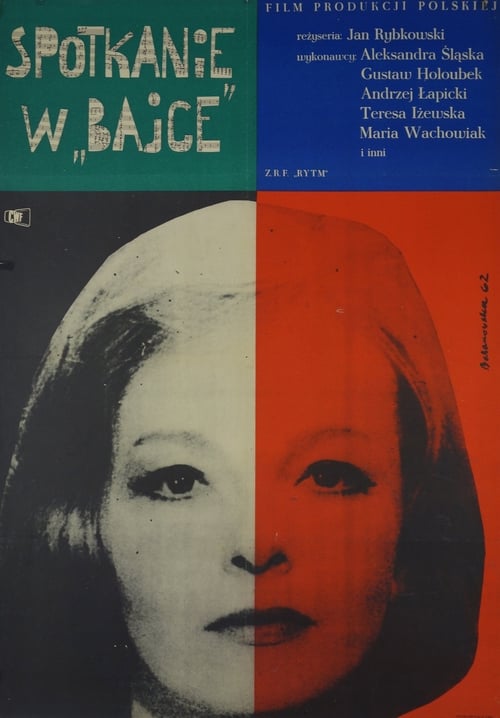
1962

2005

1966
No reviews yet. Be the first to share your thoughts on this movie!
Use the rating form above to leave a star rating and optional review.