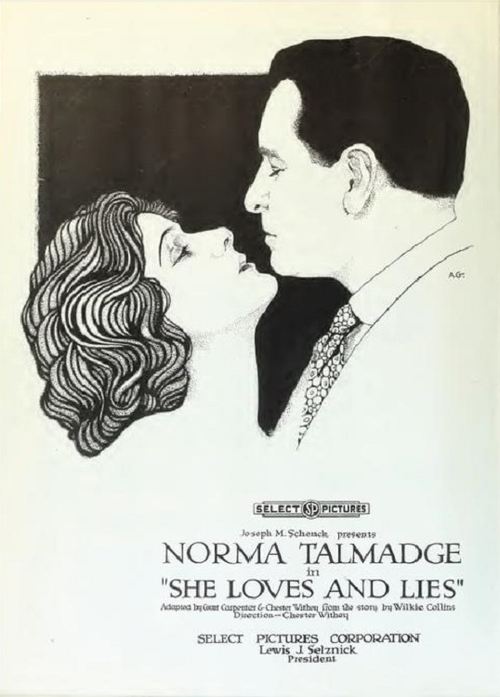
She Loves and Lies
1920
No user ratings available yet
Representation score: 1.9 out of 10
Representation Score
Minimal
1918
Director
Paul Powell
Runtime
58 minutes
Average Rating
No ratings yetNew Showbiz Analysis
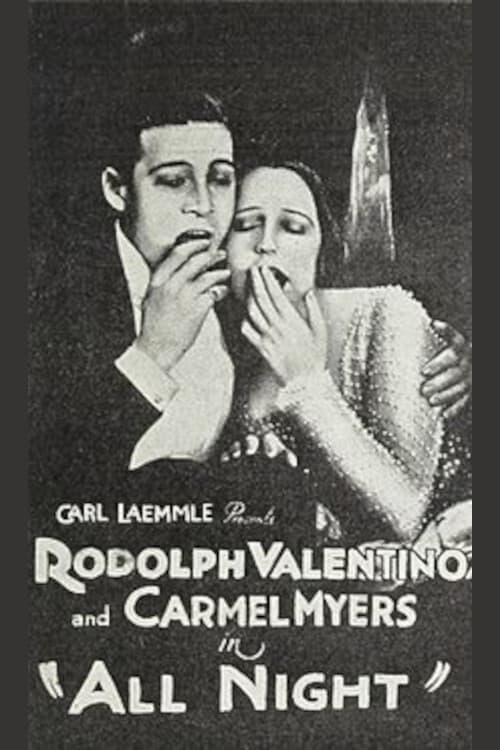
All Night is a period-specific social comedy that uses class role reversal as its main theme. While the plot temporarily disrupts social hierarchies for comedic effect, it does not drive progressive systemic change. The film adheres to the traditional social frameworks of the early 20th century, offering a light-hearted look at class performance rather than a deep exploration of identity.
Category Breakdown
The film does not include any representation of LGBTQ+ identities or same-sex relationships. It focuses on heterosexual couples, reflecting the social norms of the time.
The film explores social manipulation through deceptive role-playing, but it does not significantly challenge traditional gender roles or power dynamics.
There are no characters from non-white or non-Anglo-Saxon backgrounds. The cast reflects a homogeneous demographic typical of early American silent films.
The story uses masquerade to explore socioeconomic hierarchies, but it does not delve into deeper critiques of Western institutions.
The film does not feature any characters with visible or invisible disabilities.
Present on Screen
Limited or Absent
Official Synopsis
A married society couple (Dorian and Warren) persuade an unmarried pair (Valentino and Myers) to take their places at a party while they pretend to be the servants.
1920

1933
1928
1940
1918
1925
1934
1916
No reviews yet. Be the first to share your thoughts on this movie!
Use the rating form above to leave a star rating and optional review.