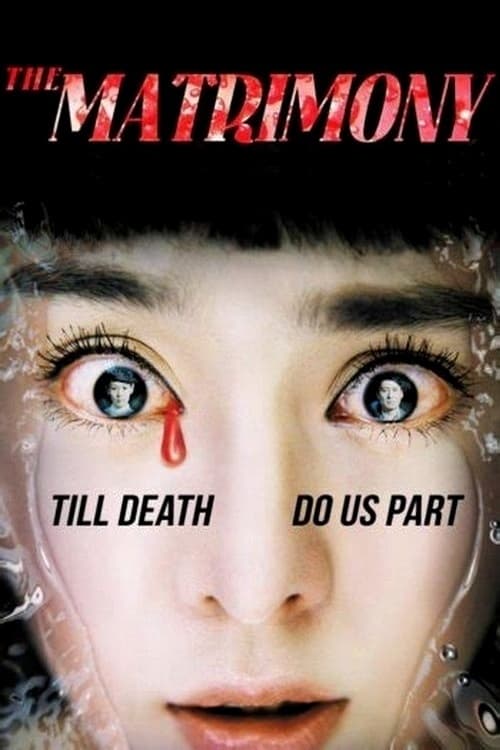
The Matrimony
2007
No user ratings available yet
Representation score: 5.3 out of 10

Representation Score
Excellent
2024
Director
Joe Chien Jen-Hao
Runtime
111 minutes
Average Rating
No ratings yetNew Showbiz Analysis
The film stands out by embedding itself in an Eastern cultural framework, using specific traditions like the Chinese Ghost Month to anchor its horror narrative. It successfully challenges traditional gender roles by placing a woman at the forefront of her struggle against patriarchal violence. However, the film lacks explicit representation of LGBTQ+ identities and provides limited depth around disability, often treating sensory differences as mere plot devices rather than integral to the character development. Ultimately, the work is a strong example of culturally specific storytelling that connects supernatural themes to real-world socioeconomic issues.
Category Breakdown
The film centers on a family unit where the mother, daughter, and husband are portrayed in a straight relationship. There is no explicit mention of any queer identities or relationships.
CHEN Wei is the main character who navigates both domestic violence and metaphysical dread. The narrative challenges traditional gender roles by highlighting a woman's resilience and her struggle for independence.
The story is set in an Asian context, using the Chinese Ghost Month as a key element. It avoids Anglo-centric clichés by focusing on an Eastern perspective and featuring local characters.
The film highlights how economic hardship can force individuals into dangerous situations. It moves away from Western religious frameworks and instead presents a more localized spirituality and cultural superstition.
Ah Di’s ability to see spirits implies a form of perceptual difference. However, it is unclear whether this trait gives Ah Di a significant role in driving the story or if it merely serves as a plot device for creating tension.
Present on Screen
Limited or Absent
Official Synopsis
The story centers on CHEN Wei and her daughter, seeking refuge from CHEN Wei’s violent husband in the Butterfly Mansion, known for its eerie reputation as a suicide hotspot. Strange events unfold, and warnings from Uncle LIANG, the building’s janitor, and Uncle Shan, the temple caretaker who lives on the top floor, about the unsafe floor are ignored due to financial constraints. Neighbors like Ah Di, who sees spirits, and the forbidden Room No. 613, intensify CHEN’s unease. Substitute manager Xiao Liang cares for CHEN, with her daughter showing joy in his visits. As the Chinese ghost month progresses, supernatural events escalate, revealing a crisis beyond CHEN Wei’s initial struggles.
2007

2002

2024
2005
2019
2025

2009
2012
No reviews yet. Be the first to share your thoughts on this movie!
Use the rating form above to leave a star rating and optional review.