Foreclosure
2023
No user ratings available yet
Representation score: 4.4 out of 10
Representation Score
Excellent
2025
RDirector
Steven Soderbergh
Runtime
84 minutes
Average Rating
No ratings yetNew Showbiz Analysis
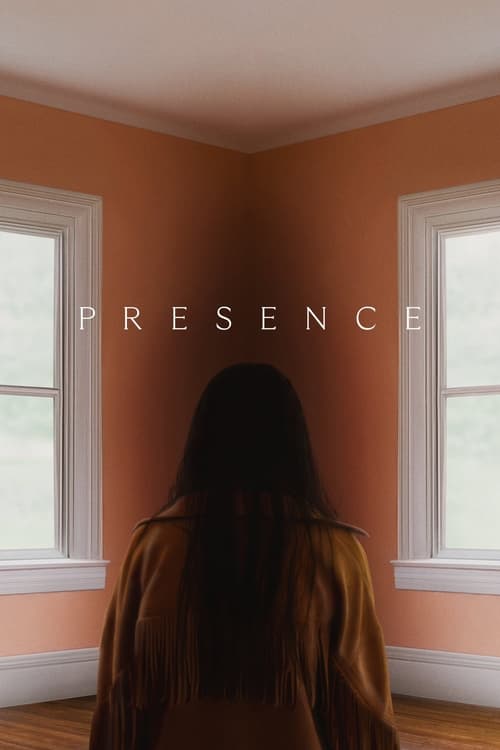
Presence leverages its casting to normalize interracial family structures within a conventional horror framework. Lucy Liu’s character offers a significant role in driving the story, challenging passive maternal stereotypes through her involvement in white-collar crime. This narrative choice elevates the film beyond standard genre clichés by grounding supernatural tension in complex moral ambiguity. The first-person perspective serves as a subtle critique of visual power dynamics, destabilizing the male gaze. While LGBTQ+ representation is notably absent, the film avoids harmful stereotypes. Chloe’s psychological trauma is handled with care, integrating mental health themes without reducing them to mere plot devices for horror scares. Ultimately, the film achieves a moderate diversity score by quietly disrupting casting norms. It prioritizes character depth and structural experimentation over aggressive social commentary. The result is a nuanced portrayal that feels inclusive without being didactic, balancing mainstream thriller expectations with progressive representation.
Category Breakdown
The film avoids explicitly centering LGBTQ+ characters or relationships, remaining neutral on sexual orientation. Without visible queer identities or critiques of the assumption that everyone is straight or cisgender, the film's progressive score is limited.
Lucy Liu’s character, Rebekah, subverts the passive mother stereotype by engaging in white-collar crime, asserting her moral decision-making. The first-person camera perspective destabilizes the traditional male gaze, allowing female complexity to drive the thriller’s tension and narrative momentum.
The film normalizes an interracial marriage between Lucy Liu and Chris Sullivan, disrupting homogeneous suburban norms. Top-billed Asian American representation alongside white counterparts provides depth without relying on racial stereotypes or shallowly inclusive roles.
Cultural critique remains ambiguous, focusing on systemic pressures rather than attacking Western institutions directly. The haunted house explores universal grief rather than serving as a metaphor for specific political ideologies or religious conflicts.
Chloe’s emotional vulnerability following trauma introduces psychological nuance without explicit disability labeling. The film integrates her grief into family dynamics carefully, avoiding mockery or inspiration porn, though visible disability representation remains absent.
Present on Screen
Limited or Absent
Official Synopsis
A couple and their children move into a seemingly normal suburban home. When strange events occur, they begin to believe there is something else in the house with them. The presence is about to disrupt their lives in unimaginable ways.
2023
2015
2011
2002

2024

2011
2006
2018
No reviews yet. Be the first to share your thoughts on this movie!
Use the rating form above to leave a star rating and optional review.