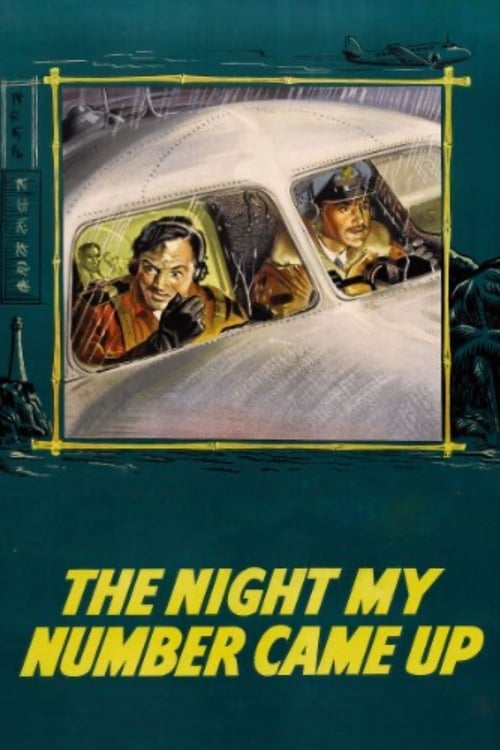
The Night My Number Came Up
1955
No user ratings available yet
Diversity score: 1.4 out of 10

1981
Director
Yoshitarō Nomura
Runtime
125 minutes
Average Rating
No ratings yetSynopsis
Keiko Inagawa (Asami Kobayashi) pays a visit to neurologist Aizawa about her fiancé Tatsuo Tamura (Kaoru Kobayashi). A mysterious case involving the disappearance of Tatsuo’s three brothers, one after the other, is yet to be resolved and now Tatsuo, seized with the idea that he too may disappear, has had a nervous breakdown. Aizawa suggests that Tatsuo recount his dreams as a means of solving the mystery, since human beings have an instinct that foretells the near future in the form of a dream. Keiko and Tatsuo eventually discover that the three disappearances have a strange connection…
Overall Score
Limited
Category Breakdown
LGBTQ+ Representation
The story focuses on a heterosexual engagement between Keiko and Tatsuo. There is no evidence of non-cisnormative identities or narratives that critique heteronormativity.
Gender Representation
Keiko acts with agency as she investigates the mystery. However, the plot centers on the male protagonist's mental collapse and the authority of a male neurologist.
Racial & Ethnic Diversity
As a Japanese production, the film operates within a culturally homogeneous framework. It offers authentic local context but lacks multicultural casting or diverse ethnic intersections.
Religious & Cultural Diversity
The film explores the subconscious and instinctual dreams. It relies on traditional scientific and institutional authority rather than critiquing established medical or social frameworks.
Disability Representation
Mental health and neurological distress are central to the plot. The film uses Tatsuo's nervous breakdown as a primary narrative driver rather than a simple plot device.
Strengths
Areas for Improvement
AI Analysis
Call from Darkness is a traditional psychological thriller that prioritizes genre suspense over the deconstruction of social hierarchies. It functions as a study of familial trauma and psychological fragility. The film's representation is limited by its adherence to conventional mid-20th-century dramatic structures. It lacks the intersectional complexity or intentional disruption of social norms found in more progressive cinema. While the film lacks diversity in identity-based politics, it finds depth in its exploration of the human subconscious and the clinical realities of mental instability.
1955
1952
1993
1961
No reviews yet. Be the first to share your thoughts on this movie!
Use the rating form above to leave a star rating and optional review.