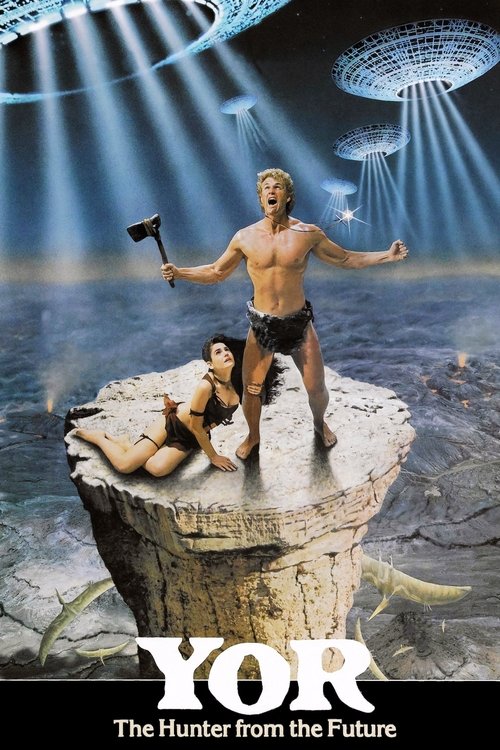
Yor: The Hunter from the Future
1983
No user ratings available yet
Diversity score: 2.6 out of 10

1988
Director
Brett Piper
Runtime
82 minutes
Average Rating
No ratings yetSynopsis
The sequel to 'Galaxy Destroyer' which finds our hero Harry Trent wandering Earth's post-apocalyptic landscape full of mutants, monsters, and fragmented human tribes. Harry's attempt to help a young girl rescue her sisters, leads him to a group of armed mutants led by a human madman attempting to breed them and take over the world.
Overall Score
Limited
Category Breakdown
LGBTQ+ Representation
The film follows a traditional rescue mission centered on a male protagonist. There is no evidence of non-cisnormative identities or narratives that challenge heteronormativity.
Gender Representation
Harry Trent drives the plot as the central male hero. Female characters, such as the young girl and her sisters, appear primarily as subjects requiring rescue.
Racial & Ethnic Diversity
The story features fragmented human tribes and mutants. It remains unclear if these groups represent meaningful ethnic diversity or use 'otherness' as a genre trope.
Religious & Cultural Diversity
The setting depicts a world where traditional Western institutions have collapsed. This serves as a standard post-apocalyptic trope rather than a deliberate social critique.
Disability Representation
The narrative focuses heavily on mutants and monsters. These depictions risk using physical difference as a shorthand for villainy rather than providing characters with agency.
Strengths
Areas for Improvement
AI Analysis
Mutant War operates within a conventional, genre-driven framework typical of 1980s low-budget science fiction. The narrative relies on established tropes of heroism and the rescue of female characters, which reinforces traditional social hierarchies rather than subverting them. While the post-apocalyptic setting inherently disrupts stable social structures, the film uses these elements for spectacle. The presence of mutants suggests a focus on physical difference, but these characters often function as monsters rather than nuanced depictions of disability. Ultimately, the film prioritizes survivalist action over intersectional representation or systemic social critique.
No reviews yet. Be the first to share your thoughts on this movie!
Use the rating form above to leave a star rating and optional review.