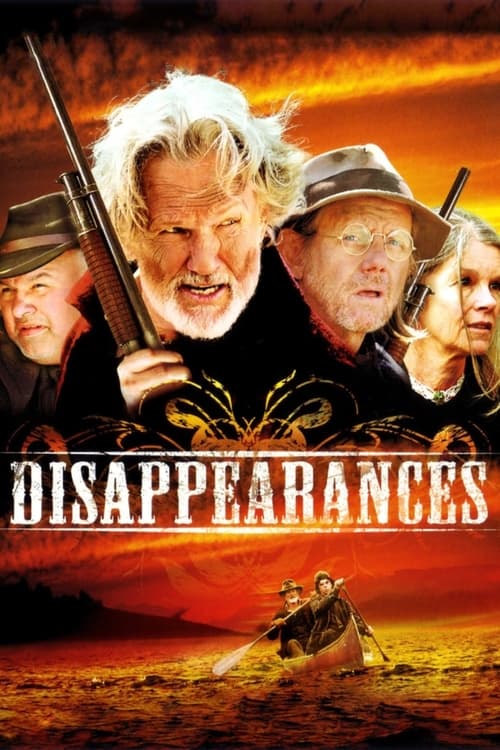
Disappearances
2007
No user ratings available yet
Representation score: 2.2 out of 10

Representation Score
Fair
2013
Not RatedDirector
Thomas Arslan
Runtime
112 minutes
Average Rating
No ratings yetNew Showbiz Analysis
Thomas Arslan’s *Gold* is a focused study of human vulnerability that prioritizes systemic critique over broad demographic inclusion. It excels at challenging traditional Western drama through its focus on migrant experiences and the deconstruction of legal institutions. However, the film’s minimalist framework results in significant gaps regarding gender and sexual identity. The narrative remains tied to traditional masculine archetypes, offering little representation for LGBTQ+ individuals or people with disabilities. Ultimately, the film is a powerful exploration of socioeconomic exclusion and border politics, even as it remains narrow in its demographic scope.
Category Breakdown
The film does not include explicit LGBTQ+ characters or stories. Its focus on survival leaves little room for exploring non-straight identities.
The structure is heavily male-focused, emphasizing traditional masculine traits. This limits the exploration of gender dynamics among the characters.
The film centers characters of Middle Eastern and North African descent, highlighting the ability to act of these underrepresented migrant identities.
The narrative critiques Western institutions, framing the navigation of illegal channels as a necessary response to systemic barriers and economic needs.
There is no significant focus on visible or invisible disabilities. Character struggles are defined by socioeconomic and legal status rather than physical or neurodivergent conditions.
Present on Screen
Limited or Absent
Official Synopsis
Canada, the summer of 1898. A group of German settlers travel towards the far north in covered wagons with packhorses and their few possessions in tow. The seven travellers set off from Ashcroft, the final railway station. Along with their leader, flamboyant businessman Wilhelm Laser, they are hoping to find their fortune in the recently discovered goldfields of Dawson, but they have no idea of the stresses and dangers which lie ahead on their 2,500 kilometre journey. Before long uncertainty, cold weather and exhaustion begin to take their toll and conflicts escalate. The journey leads these men and women deeper and deeper into a menacing wilderness. (Berlinale.de)
2007
1972

2023

2011

2013
1952

2015
2000
No reviews yet. Be the first to share your thoughts on this movie!
Use the rating form above to leave a star rating and optional review.