
Robot Holocaust
1986
No user ratings available yet
Diversity score: 4.7 out of 10

1988
Director
David Chung
Runtime
100 minutes
Average Rating
No ratings yetSynopsis
A gang of criminals terrorizes Hong Kong with two killer robots, one of which is modelled on the gang's female thug, Maria. When the robot gets damaged during a mission, an inventor working for the police captures and reprograms her to develop an independent personality.
Overall Score
Fair
Category Breakdown
LGBTQ+ Representation
The film focuses on the bond between a human inventor and a machine. While the robot's developing personality serves as a metaphor for identity, there is no explicit queer representation.
Gender Representation
The story centers on Maria, a female thug turned robot, granting her a degree of agency. This subverts her initial role as a criminal tool, though power dynamics remain complex.
Racial & Ethnic Diversity
Set in Hong Kong, the film provides a non-Western perspective. The setting offers a departure from Hollywood-centric sci-fi, though specific casting details are not provided.
Religious & Cultural Diversity
The narrative explores themes of autonomy and the ethics of consciousness. It examines systemic control through the conflict between criminal gangs and police structures.
Disability Representation
The robot trope can act as a metaphor for neurodivergence or physical difference. However, it is unclear if this exploration provides true agency or serves as a plot device.
Strengths
Areas for Improvement
AI Analysis
I Love Maria is a genre-driven science fiction piece that uses the concept of a reprogrammed robot to explore themes of identity and self-determination. The film's primary strength lies in its potential to challenge the boundary between programmed behavior and independent will. However, the film lacks explicit representation across several key areas. While the Hong Kong setting provides a non-Western backdrop, the narrative does not offer deep intersectional or queer perspectives. The exploration of identity through a mechanical lens remains largely metaphorical rather than overt.
1986
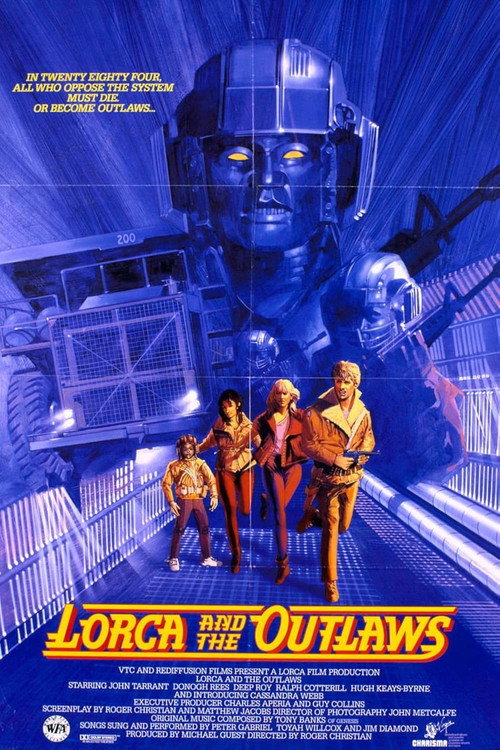
1984
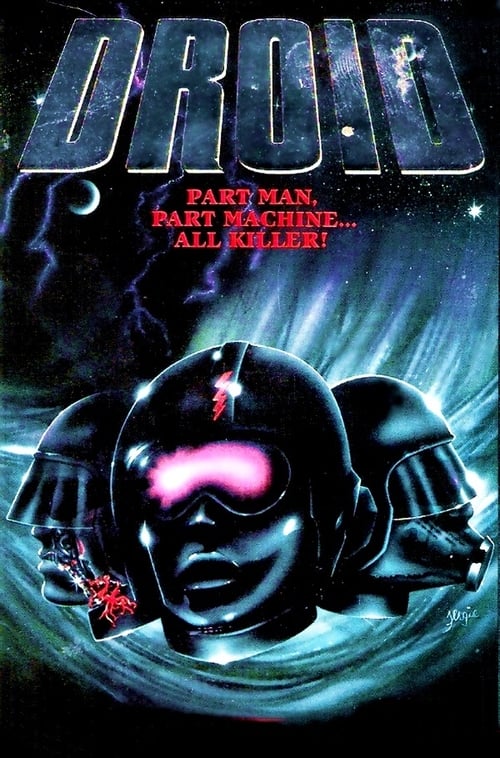
1988
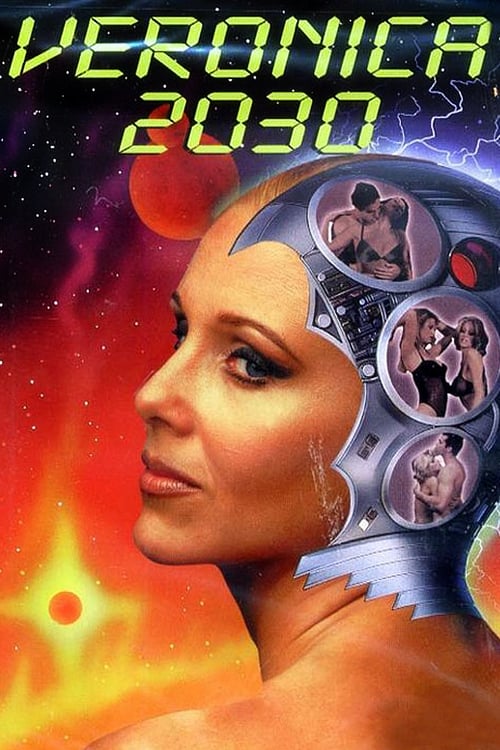
1999

2011
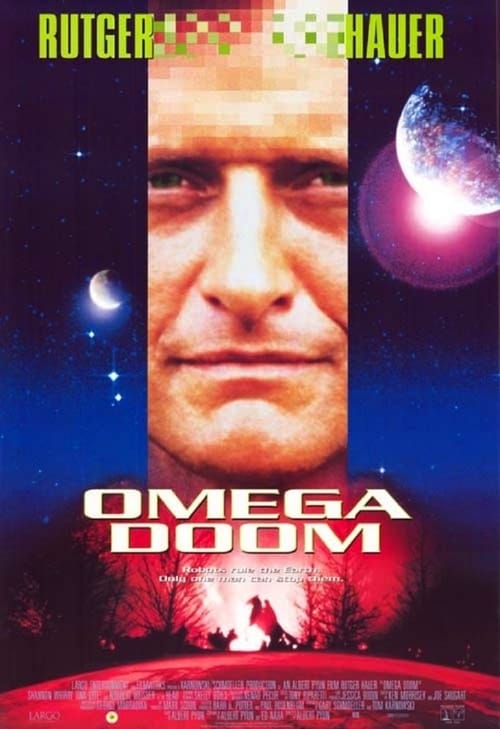
1996

2018

1966
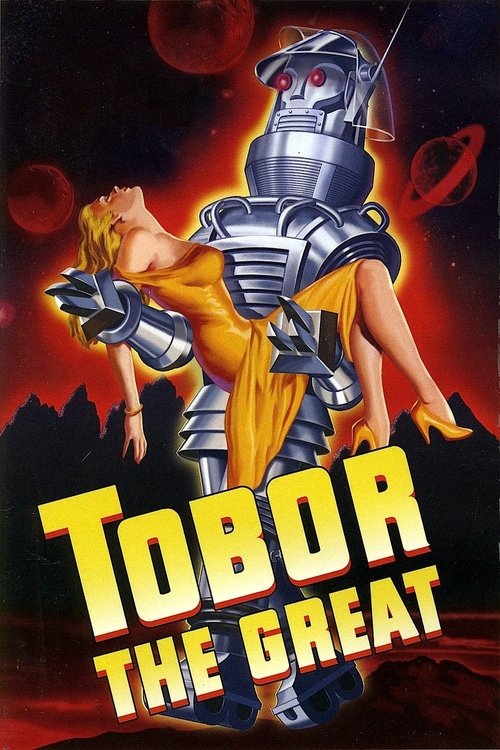
1954
2013
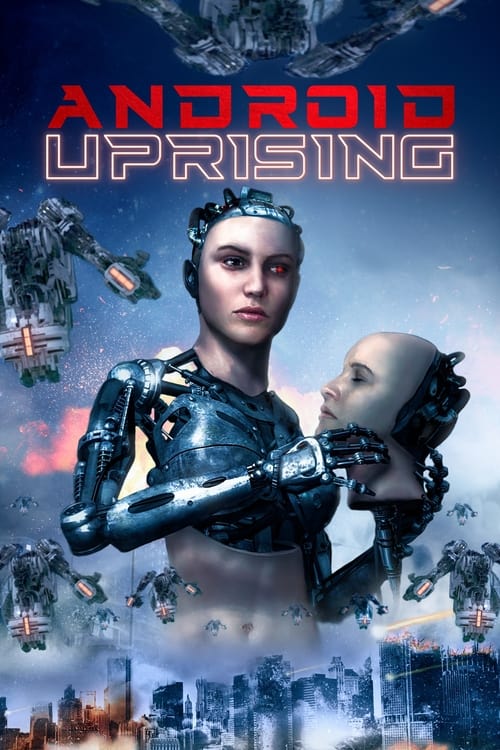
2020

1990
No reviews yet. Be the first to share your thoughts on this movie!
Use the rating form above to leave a star rating and optional review.