
The Iron Man
1973
No user ratings available yet
Representation score: 3.9 out of 10
Representation Score
Limited
1974
RDirector
James Nam Seok-Hoon
Runtime
95 minutes
Average Rating
No ratings yetNew Showbiz Analysis
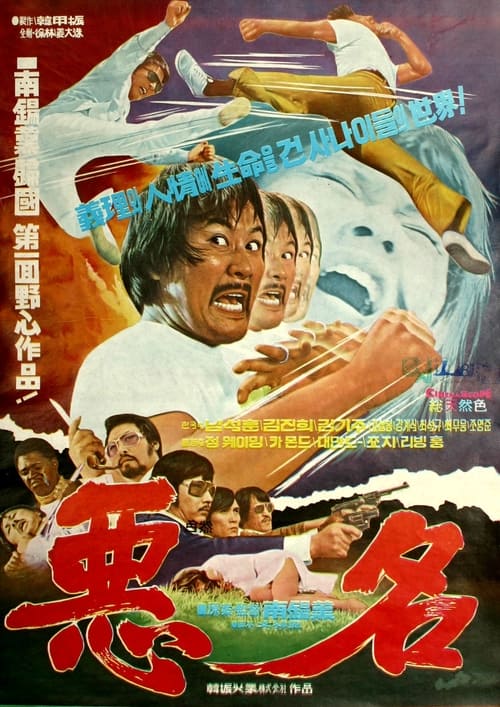
The Fierce One is a 1974 martial arts action film centered on the violent conflict between two rival factions in the Far East. It succeeds in providing a non-Western perspective by focusing on East Asian protagonists and localized ethnic conflicts. However, the film remains heavily reliant on the genre clichés of its time. The narrative structure prioritizes physical spectacle and traditional masculine archetypes, offering little room for gender diversity or the subversion of social hierarchies. While the film avoids a Westernized lens of heroism, it lacks depth in representing LGBTQ+ identities or disability. It functions primarily as a genre-specific piece driven by cyclical violence and factionalism.
Category Breakdown
The film does not include explicit representations of non-binary genders or same-sex relationships. The story revolves around traditional martial arts rivalries within a straight-focused social structure.
The story relies on combat-oriented male archetypes and masculine leadership clichés. Female characters do not have significant roles or subvert traditional gender hierarchies.
The film centers on East Asian identities by featuring Far Eastern factions. This approach moves away from Western-centric perspectives and Anglo-Saxon heroism.
The narrative focuses on tribalism and traditional honor codes rather than modern secularism. It avoids Western institutional ideals but does not explicitly critique religion or capitalism.
There is no discernible evidence regarding the portrayal of physical or neurodivergent disabilities within the film's narrative.
Present on Screen
Limited or Absent
Official Synopsis
James Nam and Johnny Taylor star in Jaws of the Dragon. This martial arts extravaganza concerns two rival factions in the Far East. In "Hatfields and McCoys" fashion, one group gradually decimates the other and vice versa.
1973
1967

1984
1976
1975
1979
1982

1976
No reviews yet. Be the first to share your thoughts on this movie!
Use the rating form above to leave a star rating and optional review.