The Unsewing Machine
1986
No user ratings available yet
Representation score: 6.8 out of 10
Representation Score
Fair
1986
RDirector
Vincent J. Privitera
Runtime
92 minutes
Average Rating
No ratings yetNew Showbiz Analysis
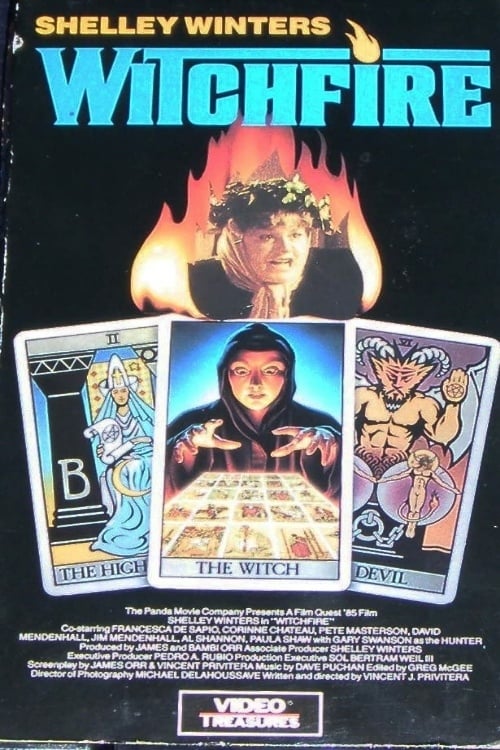
Witchfire operates within the traditional boundaries of the psychological thriller genre. While it places women at the center of the action, their roles are tied to themes of mental instability rather than social empowerment. The film lacks visible representation of diverse identities, focusing instead on a homogeneous, localized setting. There is no indication of intentional diversity in the storytelling. Ultimately, the narrative relies on traditional formulas involving mental dysfunction to move the plot forward. It functions as a character-driven thriller without attempting to challenge broader social or systemic hierarchies.
Category Breakdown
The film does not include any explicit references to non-binary or transgender identities. The story revolves around psychological tension and family trauma without addressing assumptions about straight relationships.
Female characters play central roles but are primarily portrayed through mental instability. Women are used to drive the plot without challenging traditional gender roles.
The rural and domestic setting suggests a potentially homogeneous environment. There is no indication of a diverse cast or non-white majority in the narrative.
The story focuses on individual psychological issues and domestic trauma. It does not present specific frameworks to challenge Western, secular, or capitalist norms.
Characters with significant mental health issues drive the plot. However, these portrayals may use neurodivergence as a thriller device without providing nuanced representation.
Present on Screen
Limited or Absent
Official Synopsis
When her psychiatrist is killed in an auto accident, his mentally deranged patient and two of her even crazier companions hide out in a house in a rural area where, years ago, the woman had set fire to her parents.
1986
1977

2013

1966
2002
1971
1986
2002
No reviews yet. Be the first to share your thoughts on this movie!
Use the rating form above to leave a star rating and optional review.