
The Brutal Insanity of Love
1993
No user ratings available yet
Representation score: 4.4 out of 10
Representation Score
Fair
1995
Director
Hisayasu Satō
Runtime
65 minutes
Average Rating
No ratings yetNew Showbiz Analysis
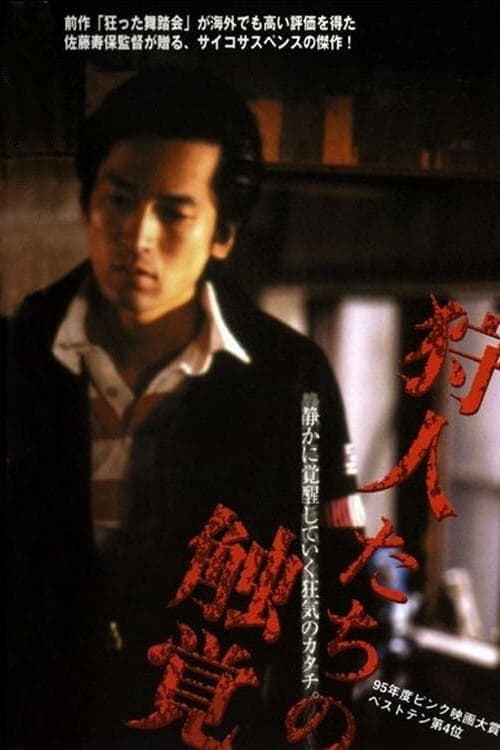
Hunters' Sense of Touch is a transgressive thriller that uses a crime investigation to explore LGBTQ+ experiences. By centering the plot on queer themes and past male romantic connections, the film moves LGBTQ+ experiences from the periphery to the narrative core. While the film excels in deconstructing traditional social and marital structures through a psychological lens, it remains limited by its narrow demographic focus. The heavy emphasis on male-centric dynamics and a localized Japanese setting results in lower scores for gender and racial diversity. Ultimately, the film serves as a study of social deviance and the breakdown of traditional domestic ideals, making it a significant work for its era's exploration of non-mainstream identities.
Category Breakdown
The film revolves around a mystery involving murders targeting homosexual men. It also places a romantic relationship between gay men at the emotional core of the detective's journey.
The narrative focuses heavily on male interpersonal dynamics and investigations. Female characters play minor roles and do not have central, actively leading roles.
As a localized Japanese production, the film operates within a specific domestic cultural milieu. It lacks multi-ethnic casting and diverse character representation.
The story challenges social stability by focusing on identities outside the mainstream 1990s Japanese social fabric. It prioritizes subjective emotional truths over traditional hierarchies.
There is no explicit evidence regarding the portrayal of physical or neurodivergent disabilities in this work.
Present on Screen
Limited or Absent
Official Synopsis
A police detective investigating a vicious string of homosexual murders discovers that the latest victim appears to be the married executive who was his college lover ten years before.
1993
1978

1973

2011
1998
1993

1984

1996
No reviews yet. Be the first to share your thoughts on this movie!
Use the rating form above to leave a star rating and optional review.