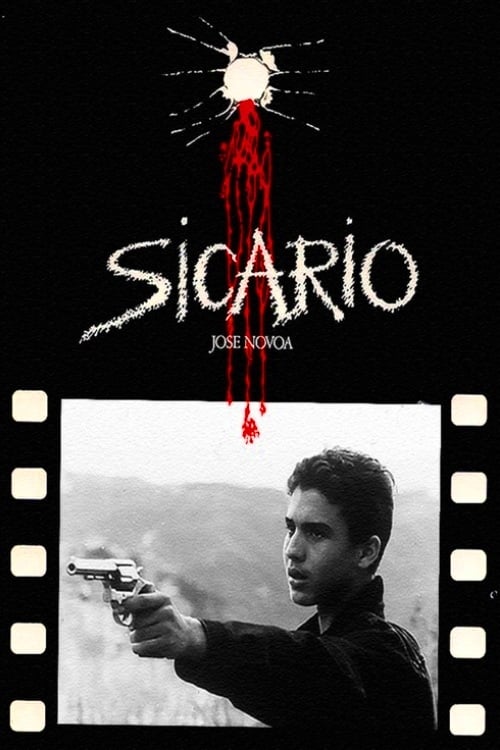
Sicario
1994
No user ratings available yet
Representation score: 5.5 out of 10
Representation Score
Fair
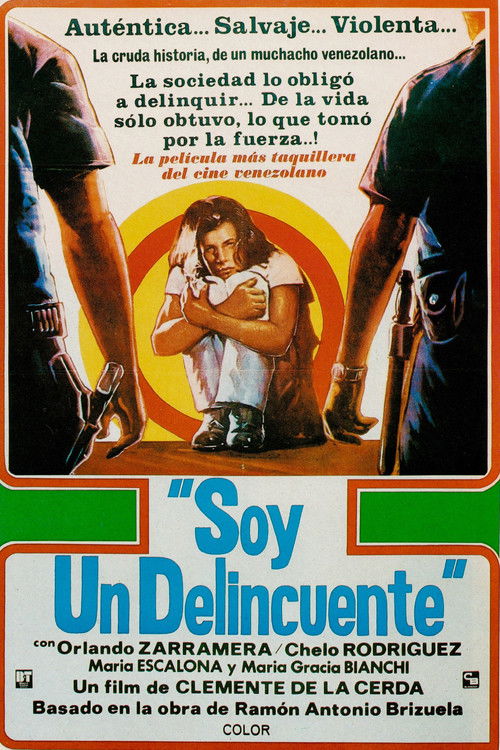
1976
Director
Clemente de la Cerda
Runtime
112 minutes
Average Rating
No ratings yetNew Showbiz Analysis
Clemente de la Cerda’s work is a landmark of social realism that prioritizes the lived experiences of the urban underclass. By framing delinquency as a systemic issue rather than a moral failing, the film offers a sophisticated critique of institutional authority and capitalism. While the film excels in racial authenticity and cultural depth, it remains limited by the social norms of its 1970s setting. The narrative architecture is heavily skewed toward masculine hierarchies, leaving little room for gendered ability to act or LGBTQ+ representation. Ultimately, the film succeeds as a granular look at underrepresented populations navigating corrupt social hierarchies, even if its character dynamics remain traditional in terms of gender and sexuality.
Category Breakdown
The film focuses on hyper-masculine gang environments and does not include any non-assuming gender matches what was assigned at birth identities or same-sex relationships.
Male characters dominate the narrative, focusing on physical strength and toughness. Female characters are mostly reactive and serve as emotional catalysts rather than independent agents of change.
The film authentically depicts Mestizo and local urban demographics, avoiding whitewashing by featuring a non-white cast in a Latin American context.
The story critiques failing state and social institutions, exploring the breakdown of traditional family and religious cohesion through a lens of class struggle.
There are no significant characters with visible or invisible disabilities serving as central narrative drivers.
Present on Screen
Limited or Absent
Official Synopsis
The film tells the story of Ramón Antonio Brizuela, who since childhood has to deal with rampant violence and the drugs, sex and petty thievery of a Caracas slum. Starting with delinquency, Ramón moves on to serious gang activity and robberies. He grows into a tough, self-confident young man who is hardened to violence. His views change when his fiancée's brother is killed in a robbery.
1994
1950
1980

1980

2008
1983
2010
1992
No reviews yet. Be the first to share your thoughts on this movie!
Use the rating form above to leave a star rating and optional review.