The Omen Legacy
2001
No user ratings available yet
Representation score: 1.3 out of 10

Representation Score
Minimal
2000
Director
J.M. Kenny
Runtime
46 minutes
Average Rating
No ratings yetNew Showbiz Analysis
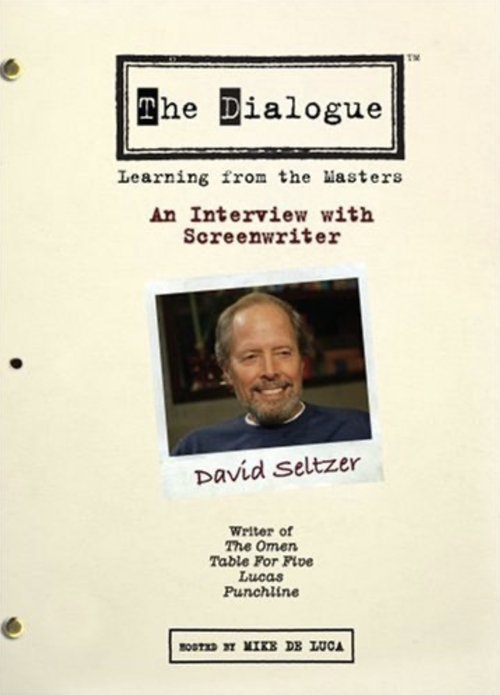
The documentary opens with the chilling, rhythmic chanting of "Sanguis bibimus," immediately framing The Omen not as a mere horror film but as a theological event. J.M. Kenny’s 2000 retrospective functions as a devotional to the 1976 original, relying heavily on the voices of its male creators—Richard Donner, David Seltzer, and Harvey Bernhard—to reconstruct the film’s genesis. The sold meaning is clear: the story is a "destined" prophetic warning, a "mystery suspense thriller" that alters the viewer’s soul through the lens of Christian eschatology. The narrative authority rests entirely with these white, heterosexual men, who recount their creative struggles and spiritual convictions with unchallenged confidence. The film treats the biblical text as an objective truth that validates the artistic choices, positioning the "devil's child" as a literal political and spiritual threat. There is no counter-narrative or modern critical distance; the documentary reinforces the original’s conservative, faith-based worldview. The last image, like the first, is a testament to the power of religious imagery in cinema, leaving the audience with the impression that the film’s horror is not just entertainment, but a necessary moral instruction. The hierarchy of voices is traditional and unmarked, with the male director and writer as the sole arbiters of meaning.
Category Breakdown
No queer characters, intimacy, or identity markers appear in this production documentary. The narrative focus remains exclusively on the heterosexual, male-dominated creative process of The Omen.
The film is a male-centric retrospective where Richard Donner, David Seltzer, and other men dominate the screen time and narrative authority. Women are largely invisible or reduced to background roles, reflecting the industry dynamics of the late 1970s.
The cast and interviewees are overwhelmingly white, mirroring the homogeneous demographics of the original 1976 production. No non-white perspectives or characters are featured in the documentary’s analysis or archival footage.
The documentary centers on Christian theology, specifically the Book of Revelation, as the foundational truth of the story. Interviews explicitly frame the plot as a prophetic warning, treating religious doctrine as the primary moral and narrative engine for the audience.
No disabled characters, actors, or discussions of disability appear in the documentary. The focus is entirely on the supernatural and theological elements of the original film’s production.
Present on Screen
Limited or Absent
Official Synopsis
Documentary about the making of The Omen, featuring interviews with Richard Donner, Harvey Bernhard, David Seltzer and others.
2001
2019
2005
2019
1998
2006
2008
2007
No reviews yet. Be the first to share your thoughts on this movie!
Use the rating form above to leave a star rating and optional review.