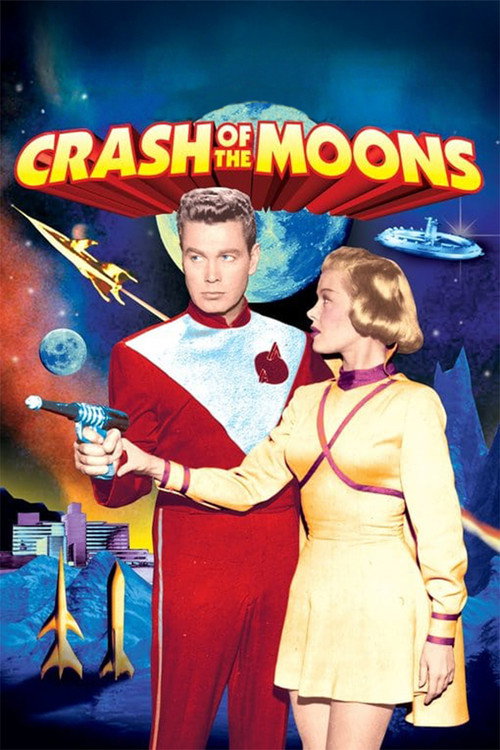
Crash of Moons
1954
No user ratings available yet
Representation score: 1.8 out of 10
Representation Score
Minimal
1956
UnratedDirector
Hollingsworth Morse
Runtime
78 minutes
Average Rating
No ratings yetNew Showbiz Analysis
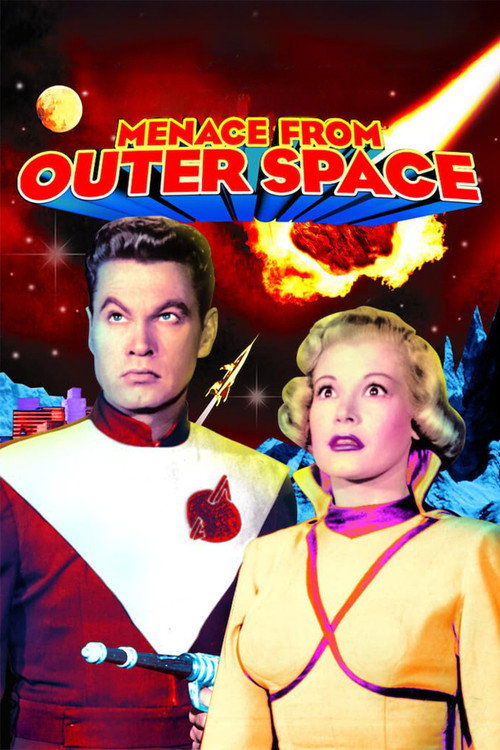
Menace from Outer Space is a classic mid-century science fiction film that focuses on episodic adventure rather than social complexity. The film reflects the conservative social landscape of its time, emphasizing external threats over internal identity dynamics. The production maintains a status quo by concentrating power and influence in a homogeneous group of male authority figures. It does not challenge traditional roles or demographic norms. Overall, the film preserves the social norms of 1950s television, avoiding any meaningful engagement with diverse identities or social issues.
Category Breakdown
The film does not include any characters with LGBTQ+ identities or queer-coded roles. It follows the assumption that everyone is straight and cisgender, typical of 1950s television.
Male characters hold nearly all the narrative power, while women are confined to supporting roles. This reinforces the traditional gender roles of the mid-1950s.
The cast is predominantly white, reflecting the casting practices of 1950s B-movies. There is no diversity in the cast.
The story centers around scientific rationalism and a stable, Western-centric view of society. It does not engage with cultural critique or diverse perspectives.
Characters are portrayed as idealized archetypes of perfect health and intelligence. There are no characters with visible or invisible disabilities.
Present on Screen
Limited or Absent
Official Synopsis
A nontheatrical (16mm) film comprise of three contiguous episodes of the TV series "Rocky Jones, Space Ranger".
1954
1954
1980
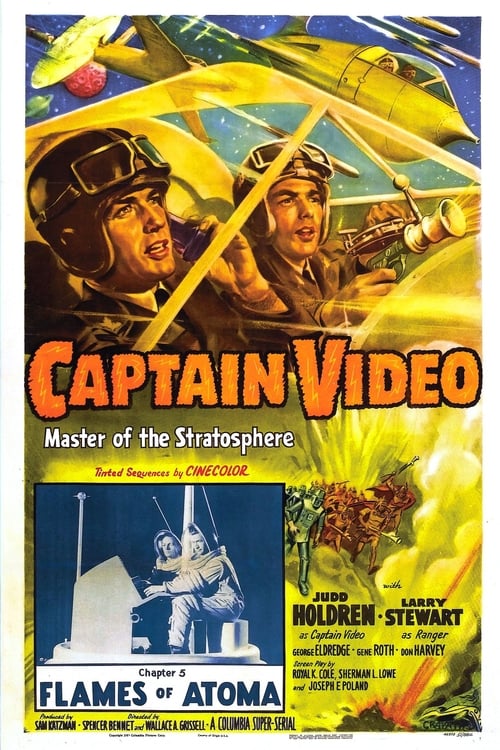
1951
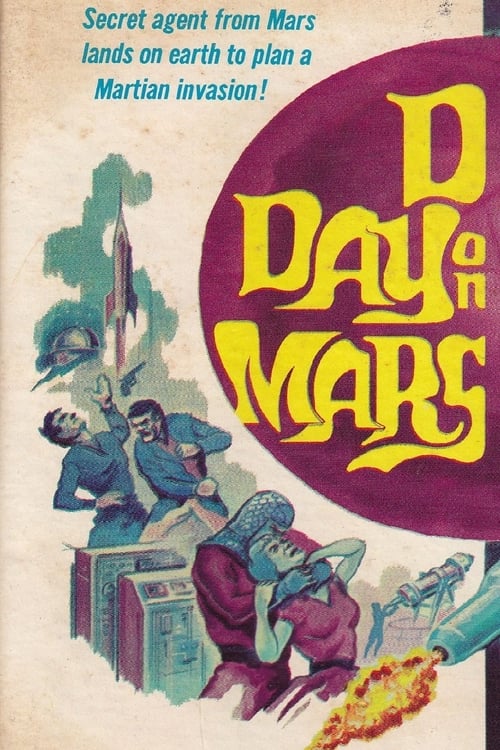
1966
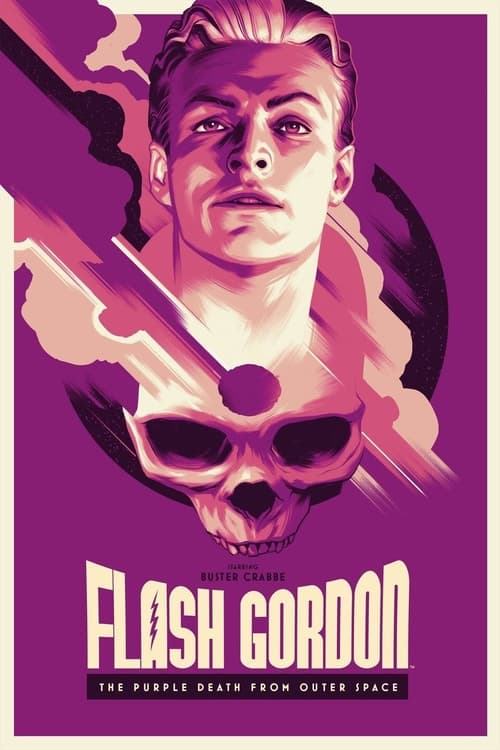
1966
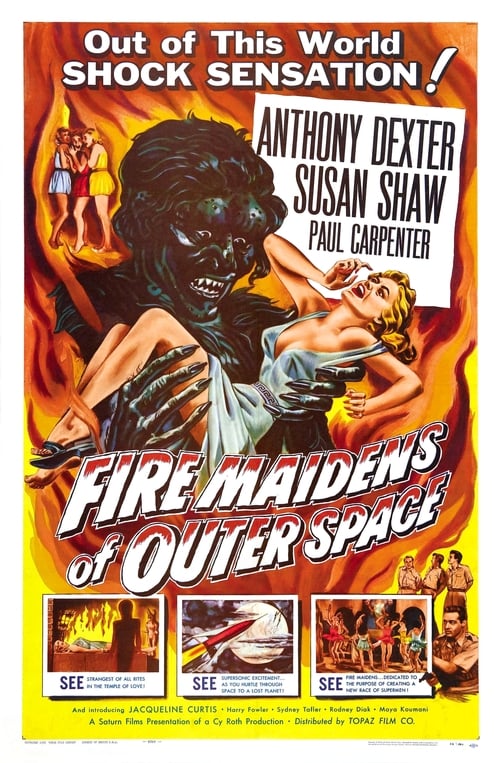
1956
1959
No reviews yet. Be the first to share your thoughts on this movie!
Use the rating form above to leave a star rating and optional review.