Street of Crocodiles
1986
No user ratings available yet
Representation score: 6.2 out of 10
Representation Score
Good
1985
Director
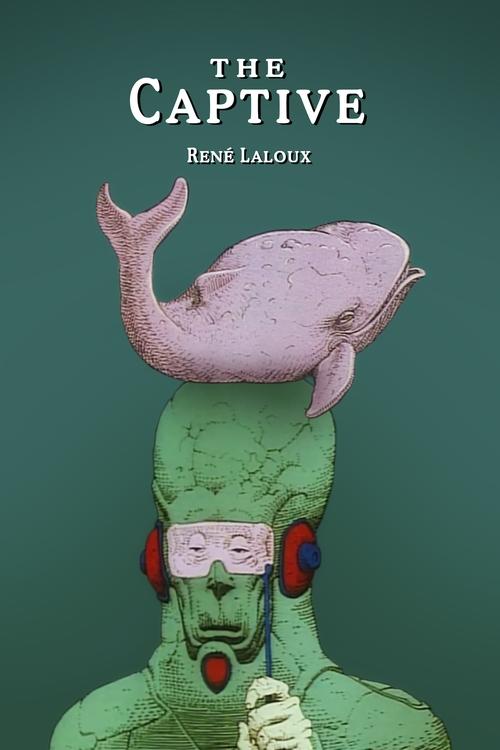
René Laloux, Philippe Caza
Runtime
7 minutes
Average Rating
No ratings yetNew Showbiz Analysis
The film uses a surreal, post-humanist approach to challenge conventional social structures. By focusing on alien entities rather than human-centric romance, it avoids many traditional power dynamics and gender clichés. However, the lack of explicit LGBTQ+ identities or specific character-driven ability to act limits its direct representation of diverse identities.
Category Breakdown
The film focuses on non-human entities instead of traditional human characters, avoiding typical straight-centered assumptions. However, it does not include explicit depictions of same-sex relationships or non-binary identities.
The narrative shifts away from traditional gender roles, focusing instead on consciousness and captivity. However, it lacks specific characters who take active roles in driving the story.
Alien humanoids are used as a metaphor for ethnic diversity, avoiding Western stereotypes and casting norms. This post-humanist perspective offers a fresh look at cultural differences.
The setting critiques systemic control and institutional authority, emphasizing existentialism and personal freedom over religious or patriotic beliefs.
Themes of isolation and confinement explore issues related to bodily autonomy. However, there are no explicit representations of characters with recognized disabilities.
Present on Screen
Limited or Absent
Official Synopsis
Two kids travel to a city where silence is kept sacred.
1986

1985

1955
1987

1984

1949

2009

1954
No reviews yet. Be the first to share your thoughts on this movie!
Use the rating form above to leave a star rating and optional review.