
!W.A.R.: !Women Art Revolution
2010
No user ratings available yet
Representation score: 9.7 out of 10
Representation Score
Excellent
2020
Director
Evelyn Schels
Runtime
92 minutes
Average Rating
No ratings yetNew Showbiz Analysis
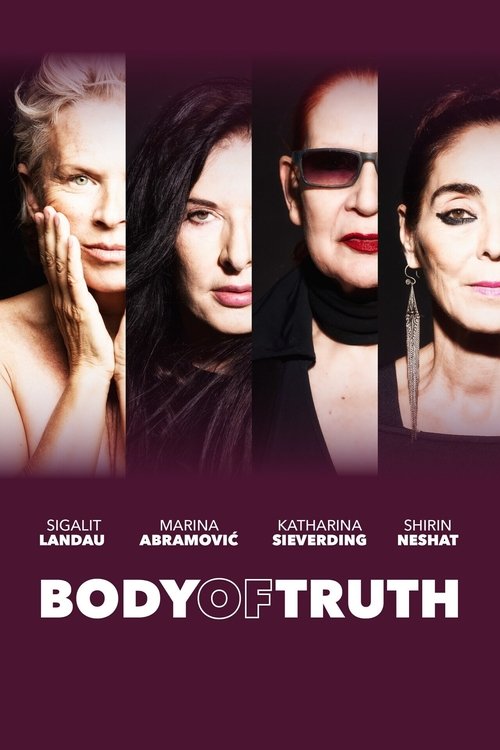
Body of Truth is a documentary study of how systemic violence impacts personal expression. It shifts the narrative focus from the macro-politics of war to the micro-politics of the human body, examining how systemic violence affects personal expression. The film excels at portraying women as active political agents. By centering the artists' physical presence, the work deconstructs traditional power structures and challenges conventional perspectives on historical trauma. However, the film's specific demographic makeup remains unclear. Without explicit details regarding the artists' racial backgrounds or LGBTQ+ identities, the full scope of its diversity is difficult to verify.
Category Breakdown
The film does not explicitly confirm specific LGBTQ+ identities or romantic pairings. However, the focus on challenging bodily autonomy suggests a narrative space where non-traditional identities may be explored.
The documentary centers on four women reclaiming their bodies from contexts of war and suppression. This positioning disrupts traditional hierarchies by presenting female subjects as active agents rather than passive victims.
The specific ethnic or racial backgrounds of the four artists are not identified. While themes of suppression often relate to racialized struggles, the cast's composition remains unconfirmed.
The film critiques institutional power by framing state structures as sources of trauma. It prioritizes individual identity and personal truth over collective Western or state-centric ideals.
By exploring trauma-induced somatic responses, the film engages with physical and psychological embodiment. This focus often intersects with mental health narratives and the body as a site of struggle.
Present on Screen
Limited or Absent
Official Synopsis
Four female artists have been politicized by experiences with war, violence and suppression and integrated them into their work, using their most personal tool: their own bodies.
2010
2018
2021
2023

2023
2022

2019
2014
No reviews yet. Be the first to share your thoughts on this movie!
Use the rating form above to leave a star rating and optional review.