You are here:

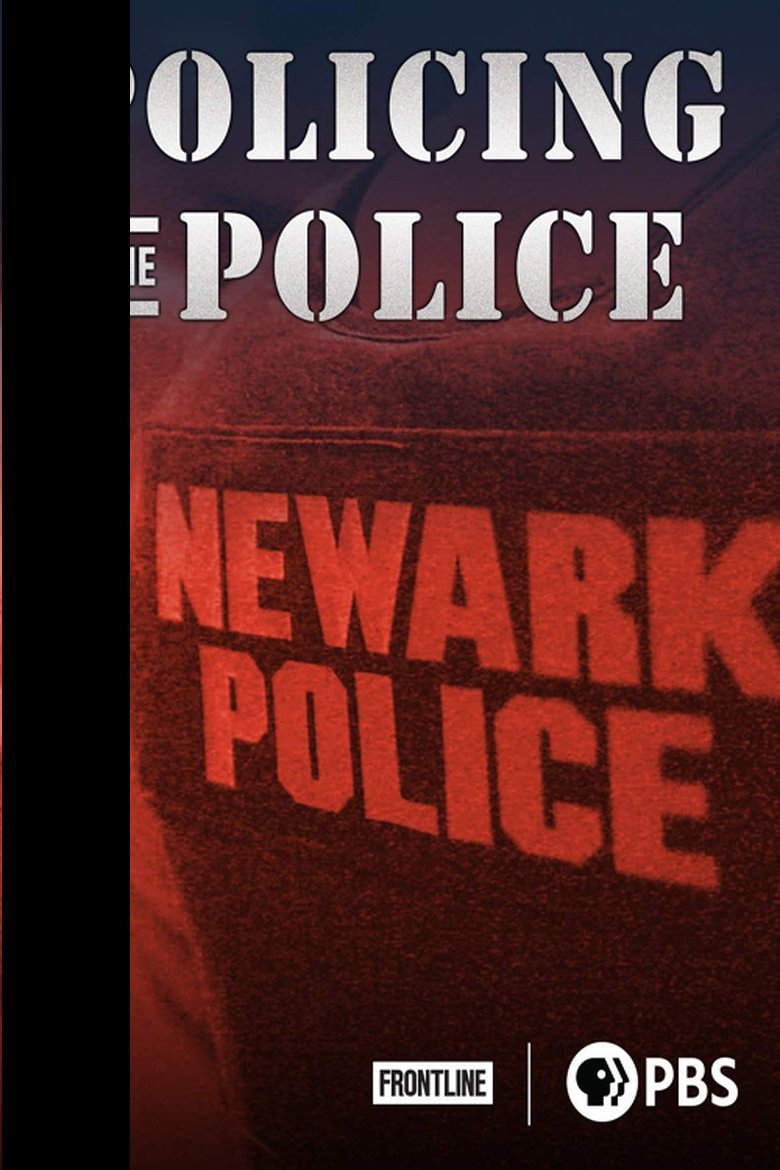
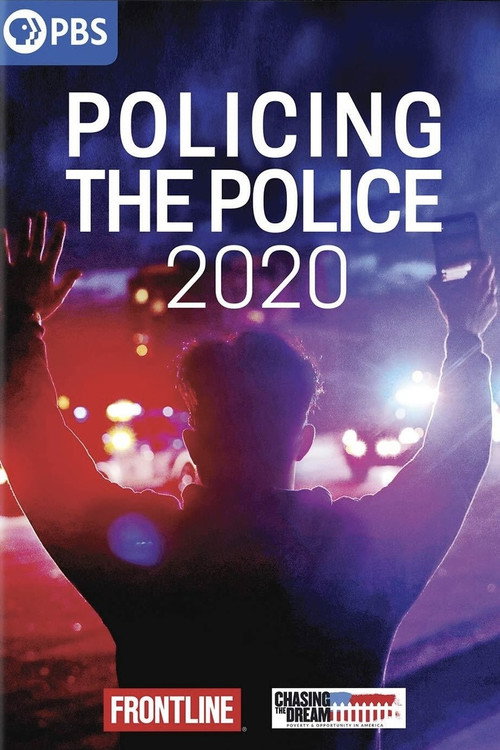
Policing the Police

Policing the Police

Representation Score

6.0/10

Good

2016

TV-MA

Director

James Jacoby

Runtime

53 minutes

Average Rating

No ratings yet

New Showbiz Analysis

James Jacoby’s documentary is a focused investigation into systemic power and institutional accountability. By utilizing historian Jelani Cobb, the film moves beyond simple observation to deconstruct the historical frameworks of policing. It succeeds by centering the racial justice movement and the voices of those most impacted by state authority. While the film excels at addressing racial and cultural power dynamics, it lacks depth in other demographic areas. The investigation is specialized, focusing heavily on the friction between the state and underrepresented communities rather than a broad spectrum of identity politics. Ultimately, the work is a purposeful critique of established order. It uses a historical lens to challenge how law enforcement operates within a racialized society.

Watch this, not that →

Category Breakdown

Does Policing the Police have LGBTQ+ representation?

Fair

The film focuses on racial justice and police accountability. There is no explicit evidence regarding the inclusion of LGBTQ+ identities or queer-specific narratives.

How does Policing the Police portray gender?

Fair

The narrative centers on the intersection of race and state authority. It lacks specific evidence of gender-specific critiques or feminist perspectives on policing.

How racially and ethnically diverse is Policing the Police?

Excellent

The documentary serves as a critical examination of racial justice. It prioritizes the involvement of underrepresented communities and positions racial identity as the central investigative driver.

How does Policing the Police represent religion and culture?

Excellent

The film critiques traditional Western institutions and law enforcement. It frames systemic issues as structural, prioritizing social justice over the preservation of institutional status quos.

Does Policing the Police include disability representation?

Minimal

There is no specific information regarding the portrayal of neurodivergence, physical disabilities, or mental health conditions within the film.

Present on Screen

  • Centering racial justice and the involvement of underrepresented communities.
  • Utilizing a historian's perspective to analyze systemic power structures.
  • Critiquing traditional Western institutions through a social justice lens.

Limited or Absent

  • Lack of explicit focus on LGBTQ+ identities or queer narratives.
  • Absence of gender-specific critiques or feminist perspectives on policing.
  • No visible representation or discussion of disability and neurodivergence.

Official Synopsis

George Floyd’s killing triggered mass demonstrations nationwide calling for racial justice and police accountability in the United States. In the wake of those protests, New Yorker writer and historian Jelani Cobb returns to a troubled police department he first visited four years ago (Policing the Police) to examine whether reform can work, and how police departments can be held accountable.

How are these scores produced? →

Where to Watch

Rate this Movie

No rating selected
Use arrow keys to select a rating from 1 to 5 stars
Optional text review, maximum 2000 characters
Tip: Wrap spoilers with ||double pipes|| to hide them
0/2000 characters
You must be signed in to submit a rating

Reviews

No reviews yet. Be the first to share your thoughts on this movie!

Use the rating form above to leave a star rating and optional review.