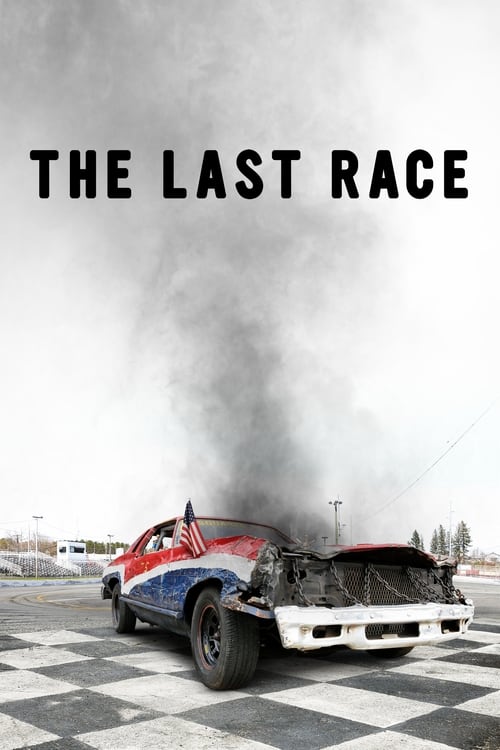
The Last Race
2018
No user ratings available yet
Representation score: 3.0 out of 10
Representation Score
Limited
2008
TV-MADirector
Jon Alpert
Runtime
68 minutes
Average Rating
No ratings yetNew Showbiz Analysis
Jon Alpert’s documentary serves as a localized sociological study of a community in transition. It captures the tension between industrial collapse and the preservation of local passion through the lens of Thundercar racing. The film prioritizes a specific, traditionalist subculture. Because the intent is observational rather than transformative, it does not actively seek to disrupt social hierarchies or promote multi-layered identities. Ultimately, the work documents established social structures and conventional regional identities, resulting in a narrow focus on the masculine, working-class demographic of the Rust Belt.
Category Breakdown
The film focuses on the socioeconomic landscape of a Rust Belt town and its racing subculture. There is no evidence of LGBTQ+ characters or narratives addressing non-straight relationships.
The narrative centers on the obsession with auto racing and driver supremacy. The film likely reinforces traditional masculine archetypes of toughness and mechanical labor within this community.
The documentary explores the economic aftermath of GM plant closures in Indiana. It captures a working-class community but likely highlights a homogeneous demographic typical of the region.
The film presents a complex view of American industrialism and local tradition. It depicts the racing community as a source of escapism and communal resilience amidst economic decay.
There is no specific information regarding the depiction of individuals with physical or neurodivergent disabilities. Disability is not a central narrative driver in this sporting subculture.
Present on Screen
Limited or Absent
Official Synopsis
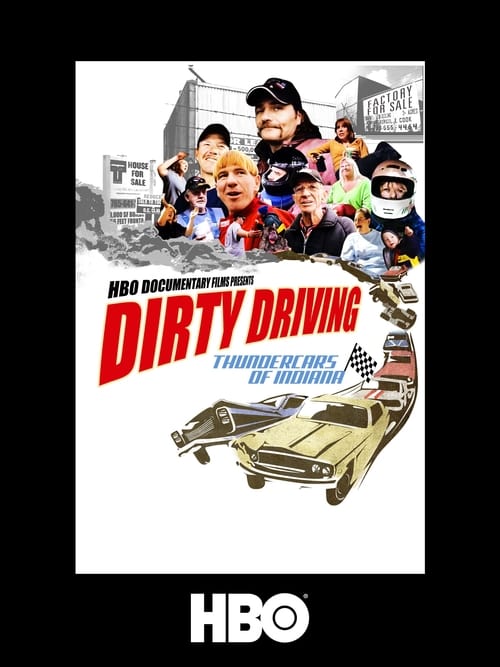
Auto racing is an obsession in Anderson, Indiana. Even with local auto factories closing down and jobs being lost, the town's residents continue to flock to the local speedway every Friday night--and its drivers continue to pour their dwindling resources into their Thundercars. Emmy(R)-winning filmmaker Jon Alpert presents this look at this passion for racing in rust-belt America. Since the closing of a GM plant and the loss of 33,000 jobs, the once-thriving town of Anderson now stands witness to empty factories, shuttered stores and abandoned home--but also to packed houses at Anderson Speedway where people put their troubles on hold to watch the cacophony of screeching tires and crashing metal as drivers vie for Thundercar supremacy.
2018
2015
2017
2006
2015
2004

2009
2003
No reviews yet. Be the first to share your thoughts on this movie!
Use the rating form above to leave a star rating and optional review.