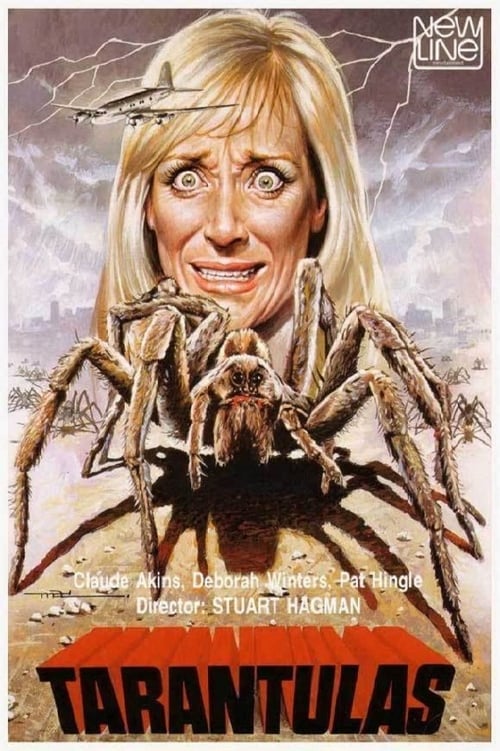
Tarantulas: The Deadly Cargo
1977
No user ratings available yet
Diversity score: 2.2 out of 10
1999
Director
Noel Nosseck
Runtime
91 minutes
Average Rating
No ratings yetSynopsis
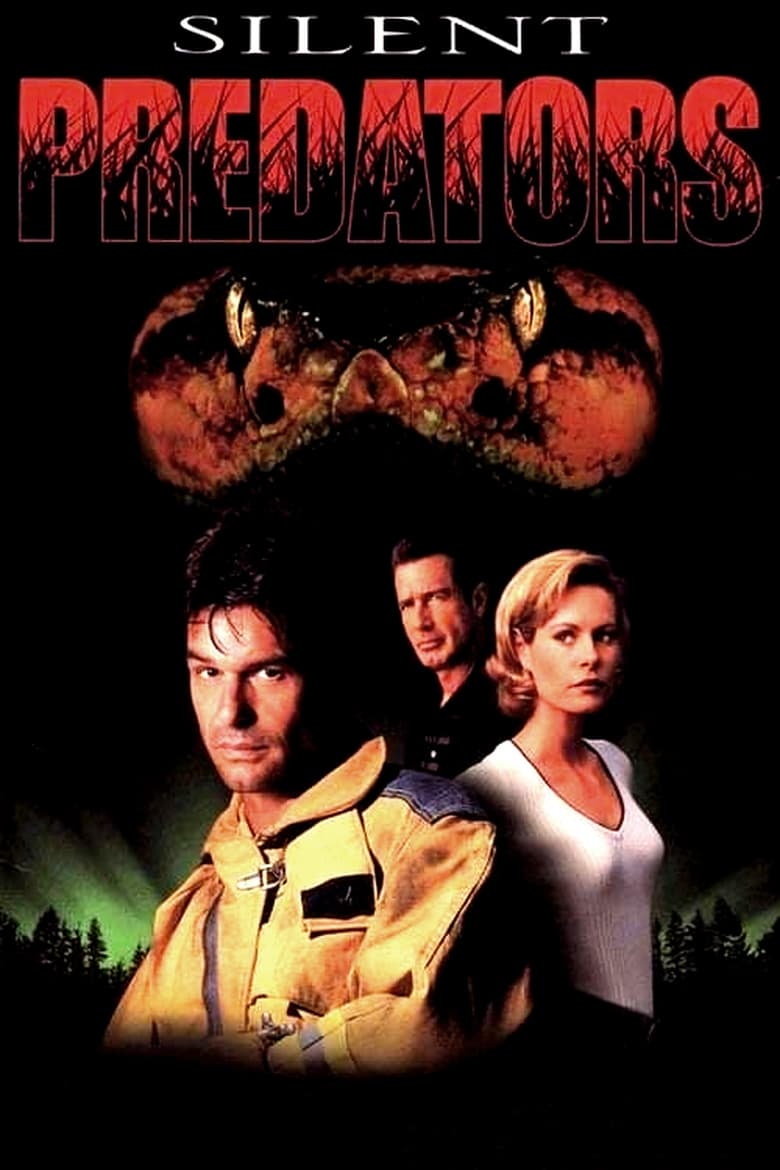
In 1979, a delivery truck makes its way up a lonely southern California highway in a storm, bound for the San Diego Zoo with a deadly tropical rattlesnake as cargo. When the truck suffers a blowout, the driver loses control and hits a tree, shattering the snake's aquarium in the back and the window separating the snake from the driver. The snake slithers into the front of the truck, kills the driver with its bite and then moves off into the forest. Flash forward to 1999. The small southern California town of San Vicente has grown from 6,000 to 30,000, and the rattler, which escaped nearby years ago, has bred. There are now 25,000 of these hybrid rattlesnakes, and they are slowly making their way downhill into the town, attracted by the movement of the blasting as the town paves its way toward progress. Progress, in this case, brings terror, in this tale originally penned by John Carpenter.
Overall Score
Limited
Category Breakdown
LGBTQ+ Representation
The film focuses on environmental horror and survival mechanics. There is no evidence of queer-coded character arcs or non-cisnormative identities.
Gender Representation
The narrative centers on a crisis of progress and environmental threats. It appears to rely on traditional masculine leadership roles common in late-90s thrillers.
Racial & Ethnic Diversity
Set in a growing Southern California town, the story focuses on biological threats rather than the identities of the townspeople. It leans toward a conventional, potentially homogeneous depiction.
Religious & Cultural Diversity
The film offers a critique of industrial expansion. It frames Western development as a catalyst for chaos, though it remains rooted in standard ecological horror tropes.
Disability Representation
There is no evidence regarding the inclusion of characters with physical or neurodivergent disabilities.
Strengths
Areas for Improvement
AI Analysis
Silent Predators functions primarily as a traditional creature-feature thriller. The narrative prioritizes the biological threat of hybrid rattlesnakes over the social complexities of the San Vicente community. While the film provides a mild critique of industrial progress, it lacks the intentionality needed to disrupt social hierarchies. The focus remains on survival mechanics rather than intersectional representation. Ultimately, the work adheres to the standard genre conventions of 1999 television movies, offering little in the way of diverse character perspectives or systemic social commentary.
No reviews yet. Be the first to share your thoughts on this movie!
Use the rating form above to leave a star rating and optional review.