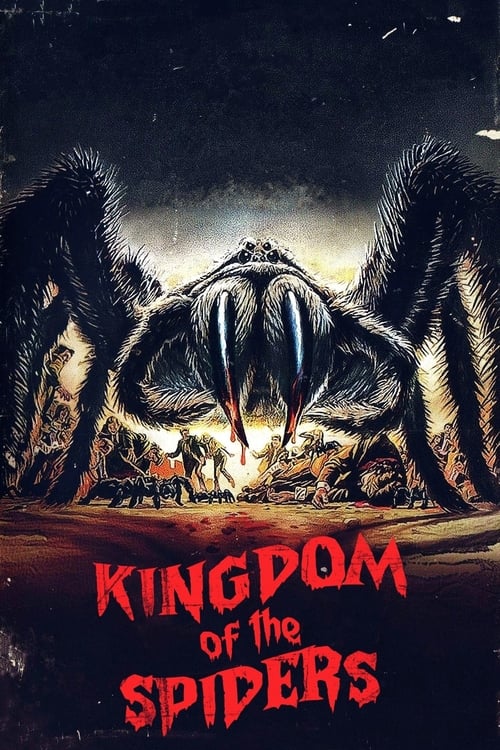
Kingdom of the Spiders
1977
No user ratings available yet
Representation score: 1.5 out of 10
Representation Score
Limited
1977
Not RatedDirector
Stuart Hagmann
Runtime
100 minutes
Average Rating
No ratings yetNew Showbiz Analysis
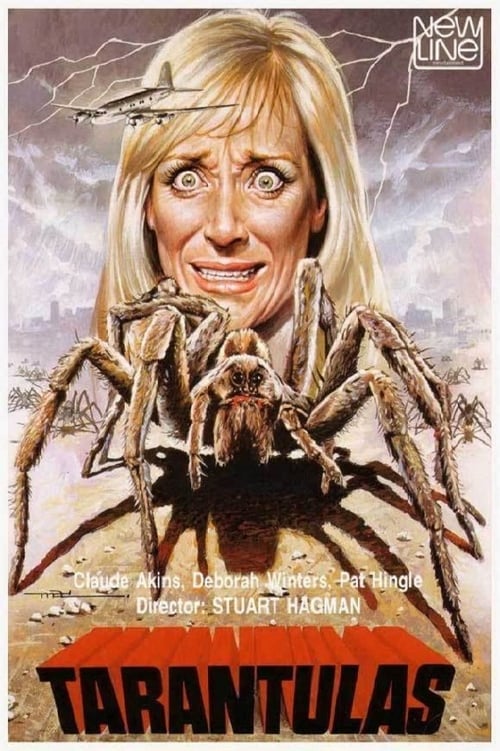
Tarantulas: The Deadly Cargo is a conventional 1970s creature feature that prioritizes high-stakes biological horror over social complexity. The narrative follows established genre clichés, focusing on a localized community's struggle against a sudden infestation. The film lacks intentionality regarding identity-based hierarchies. Instead of exploring diverse perspectives, it adheres to mid-century cinematic structures where characters serve functional roles in a survivalist framework. Ultimately, the movie functions as a straightforward disaster piece. It emphasizes environmental mechanics and community response rather than providing nuanced social commentary or representation.
Category Breakdown
The film does not include any characters with non-binary genders or same-sex relationships. The storyline focuses solely on the immediate threat posed by the spiders.
The narrative centers around town officials and citizens responding to a crisis. It relies on traditional masculine archetypes of heroism common to 1970s disaster cinema.
While the plot involves cargo from South America, the story focuses on a California town. The film appears to follow the homogeneous casting patterns of its era.
The story utilizes a survivalist framework centered on community cohesion. It relies on environmental mechanics rather than exploring complex cultural critiques or anti-establishment sentiments.
There is no evidence of characters with visible or invisible disabilities. Characters are defined primarily by their utility in the survival effort, such as pilots or officials.
Present on Screen
Limited or Absent
Official Synopsis
An airplane carrying coffee beans from South America has some unpleasant stowaways: a hoard of tarantulas which overcome the pilots as the airplane is flying over an orange-producing town in California. The airplane crashes, and the unlucky inhabitants of the town release the venomous spiders into their midst. Once the town's officials discover that the tarantulas are responsible for several deaths, the tarantulas have already descended upon the town's only orange-processing factory. The town's citizens risk their lives to remove the tarantulas from the factory while the venomous pests are rendered motionless by the transmitted sound of buzzing bees
1977
1974
1990

1954
1977
2002
2005
1963
No reviews yet. Be the first to share your thoughts on this movie!
Use the rating form above to leave a star rating and optional review.