
Matt Shepard Is a Friend of Mine
2014
No user ratings available yet
Representation score: 6.8 out of 10
Representation Score
Excellent
2016
Director
Nickolas Bird, Eleanor Sharpe
Runtime
83 minutes
Average Rating
No ratings yetNew Showbiz Analysis
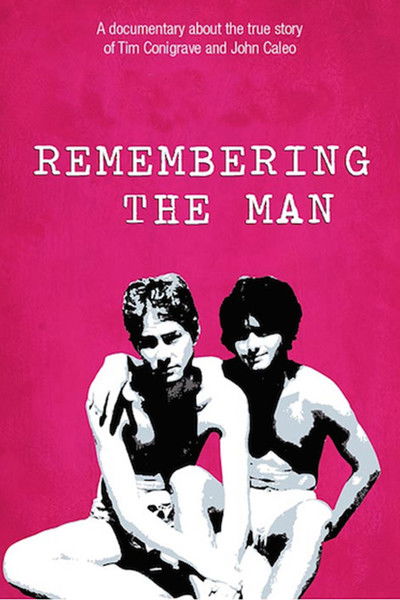
Remembering the Man is a powerful documentary that preserves underrepresented histories. It transforms a private, sixteen-year romance into a significant cultural critique of the institutions that sought to suppress it. The film excels in its portrayal of LGBTQ+ resilience and the dignity of those navigating the HIV/AIDS epidemic. It moves beyond simple victimhood to showcase complex, operatic human connections. While the setting is demographically homogeneous, the film successfully challenges the era's rigid masculinity and religious pressures. It serves as a vital historical record of queer endurance.
Category Breakdown
The film offers a deep look at queer intimacy and resilience. It focuses on a long-term same-sex relationship, providing a rare historical perspective on the endurance of love during a time of great social and medical crisis.
By highlighting a narrative of emotional vulnerability between men, the film challenges traditional gender roles. It breaks down the stoic male stereotype through the protagonists' passionate expressions and shared struggles.
The film reflects the specific demographic reality of an exclusive Catholic boys' school in 1976. While it doesn't explore racial the way different parts of someone's identity overlap, it provides a necessary counter-narrative to the era's perceived social uniformity.
The documentary critiques traditional Western institutions by showing the Catholic Church as a force of disapproval. It portrays the protagonists' relationship as a site of authenticity against restrictive religious and social norms.
The film addresses the impact of the HIV/AIDS epidemic who play a significant role in driving the story. It treats the physical and psychological realities of the crisis as a central, dignified part of the protagonists' lived experience.
Present on Screen
Limited or Absent
Official Synopsis
At an exclusive Catholic boys school in Melbourne 1976, Tim Conigrave and John Caleo fell madly in love. Their passionate, tempestuous, operatic romance lasted for 16 years, facing disapproval, temptation, separation, and the looming shadow of the Grim Reaper. Their relationship has been immortalised in Conigrave's posthumous autobiography Holding the Man (now a major Australian film directed by Neil Armfield). This is the true story of how Romeo met Romeo and how first love can not only last but endure.
2014

2015
2000

2012

2013

2020

2020

1997
No reviews yet. Be the first to share your thoughts on this movie!
Use the rating form above to leave a star rating and optional review.