Let's Cogitate
1948
No user ratings available yet
Diversity score: 1.4 out of 10
No Poster Available
1955
ApprovedDirector
Dave O'Brien
Runtime
9 minutes
Average Rating
No ratings yetSynopsis
Harry Horseknuckle tries to figure out what to do with some strange and unwanted gifts.
Overall Score
Minimal
Category Breakdown
LGBTQ+ Representation
The film lacks any evidence of non-cisnormative identities or same-sex intimacy. It adheres to the heteronormative structures typical of 1955 American comedy.
Gender Representation
Gender roles appear traditional, with male protagonists likely driving the plot. Female characters likely occupy domestic or supportive roles without subverting established hierarchies.
Racial & Ethnic Diversity
The production reflects the homogeneous casting norms of the mid-1950s. There is no indication of diverse casting or non-white protagonists with significant agency.
Religious & Cultural Diversity
The narrative centers on conventional comedic premises that reinforce Western values. It operates within the established social and moral frameworks of its era.
Disability Representation
There is no evidence of neurodivergent characters or individuals with physical disabilities. No characters with disabilities are portrayed with agency in this production.
Strengths
Areas for Improvement
AI Analysis
Just What I Needed is a product of the mid-century studio system, functioning within the conservative social hierarchies of 1955. The film follows standard comedic tropes of its era, focusing on a protagonist navigating unwanted material gifts. The production lacks intersectional complexity or systemic critique. Instead, it reinforces the traditional domesticity and homogeneous casting norms prevalent in mid-century genre filmmaking. Ultimately, the film serves as a conventional example of its time, offering little in the way of progressive representation or social subversion.
1948
1954
1947
1951
1954
1953
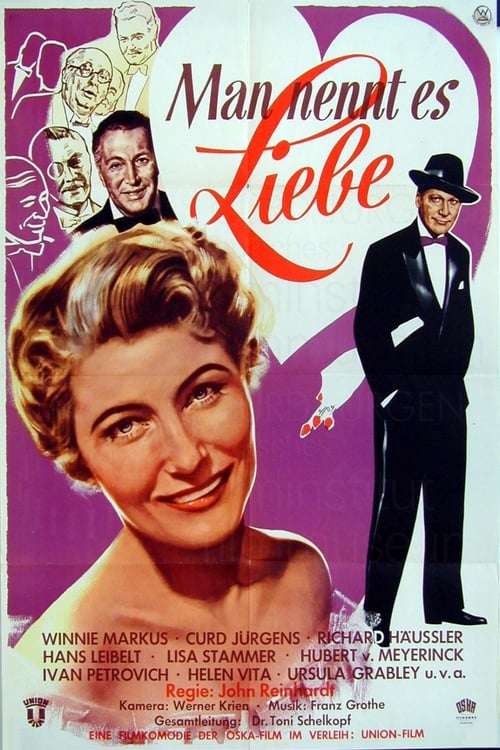
1953
1949
1946
1945
1935
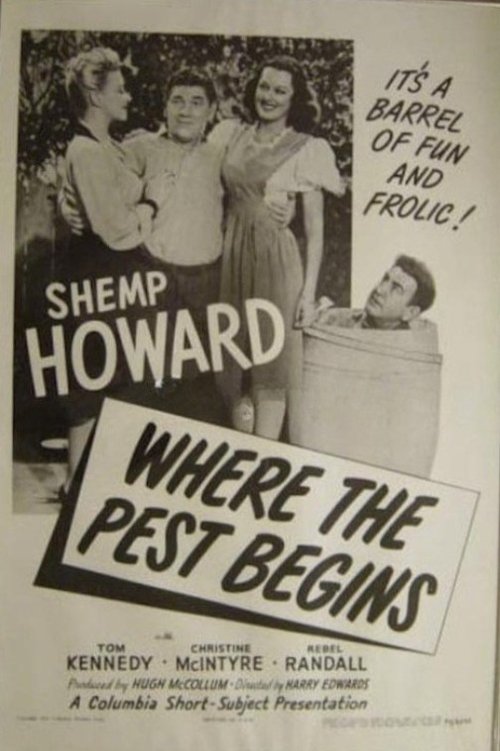
1945
No reviews yet. Be the first to share your thoughts on this movie!
Use the rating form above to leave a star rating and optional review.