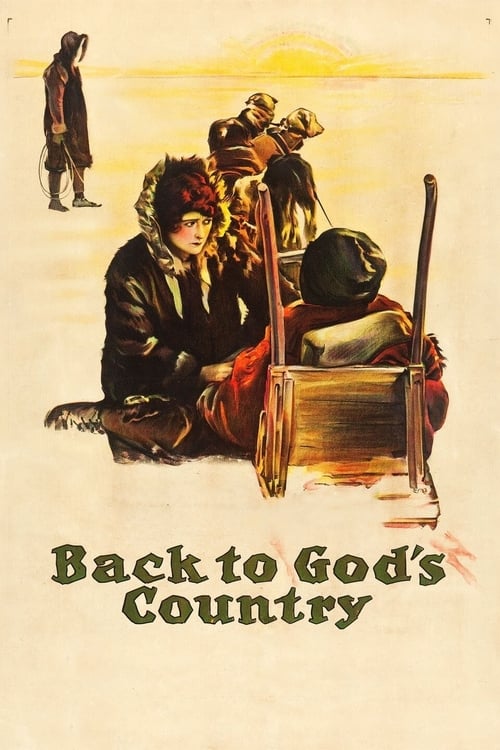
Back to God's Country
1919
No user ratings available yet
Representation score: 2.8 out of 10
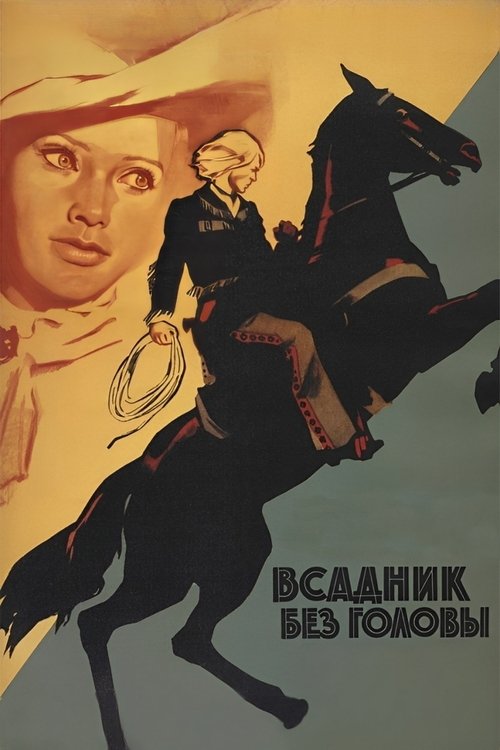
Representation Score
Limited
1973
Director
Vladimir Vaynshtok
Runtime
100 minutes
Average Rating
No ratings yetNew Showbiz Analysis
The Headless Rider uses the Western genre to explore class conflicts and the disruption of social hierarchies. It centers on the tension between the landed aristocracy and the underrepresented working class. While the film does not explicitly represent diverse identities, it moves beyond celebratory frontier clichés by using romantic transgression and supernatural elements to destabilize rigid 19th-century social structures. Ultimately, the film's strength lies in its critique of established power structures, even within traditional genre frameworks.
Category Breakdown
The film focuses on a traditional heterosexual relationship between Louise and Maurice Gerald. There is no indication of any LGBTQ+ identities or non-straight relationships.
Louise is the emotional core of the story, influencing the plot through her romantic decisions. However, the film adheres to a patriarchal structure without challenging traditional gender roles.
The setting suggests complex racial dynamics typical of 1850s Texas. While specific identities are not confirmed, the story highlights the socioeconomic divisions of the time.
The film introduces a supernatural element that challenges the established social order and the authority of the collective mob, disrupting traditional frontier justice.
There are no visible depictions of physical or neurological disabilities in the film.
Present on Screen
Limited or Absent
Official Synopsis
The film takes place in 1850, Texas, United States. Louise, daughter of the wealthy plantation owner Poindexter, master of the hacienda Casa del Corvo, falls in love with a poor mustanger Maurice Gerald. The night their secret rendezvous happens, her brother Henry disappears. Suspicion in murder falls on Gerald, who was found covered in blood, with signs of struggle on the body and on Henry's cloak. One more minute, and an angry crowd would have Gerald lynched, but then the mysterious Headless Horseman appears...
1919
1959
1925
1940
1947
1947
1961
1960
No reviews yet. Be the first to share your thoughts on this movie!
Use the rating form above to leave a star rating and optional review.