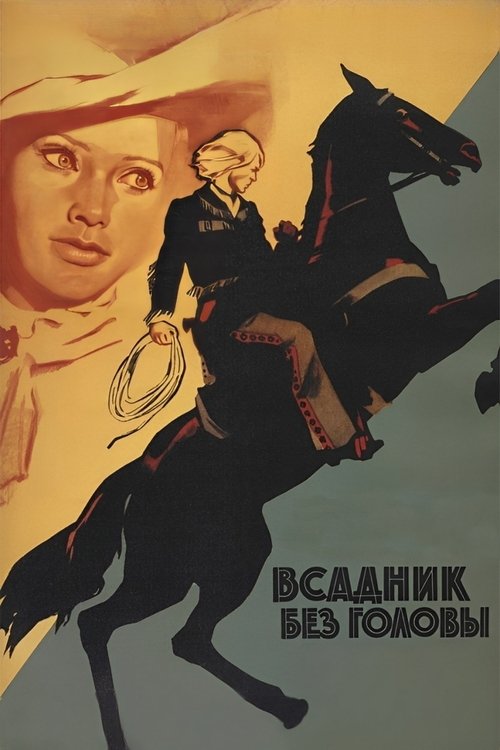
The Headless Rider
1973
No user ratings available yet
Diversity score: 4.4 out of 10
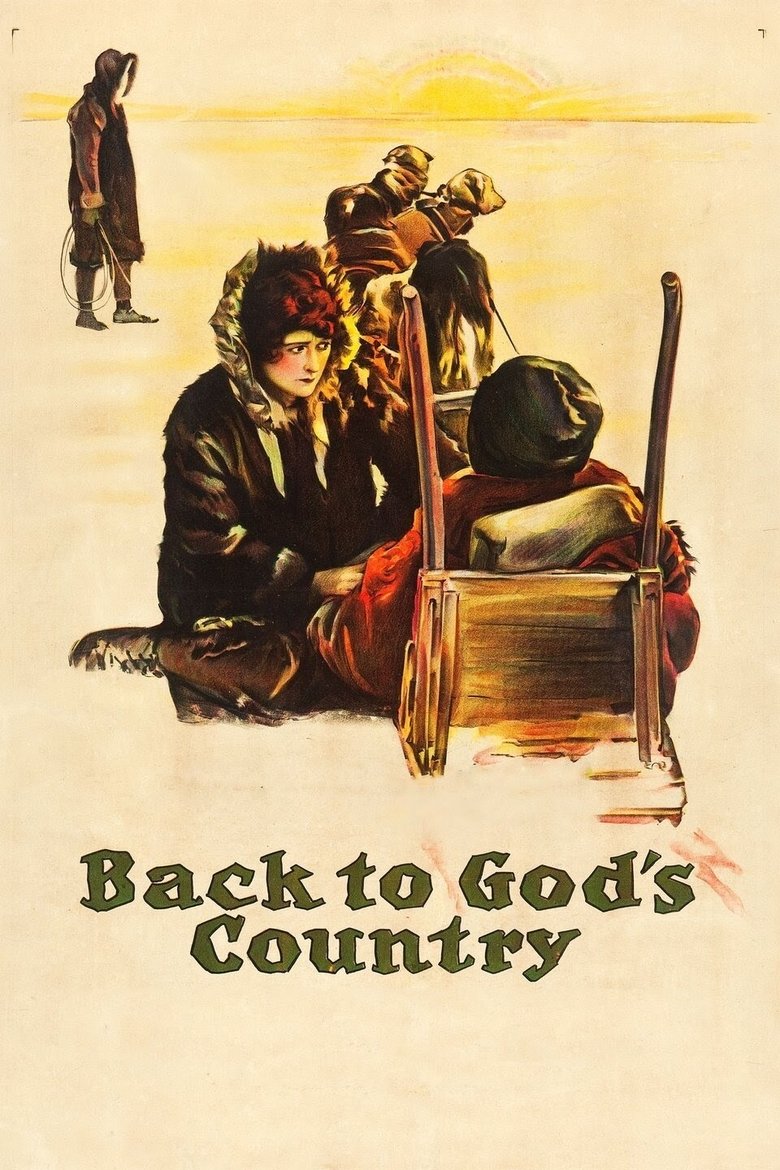
1919
NRDirector
David Hartford
Runtime
73 minutes
Average Rating
No ratings yetSynopsis
After her father is killed by an outlaw, Dolores marries Peter. While they're at sea in the Arctic, Dolores meets the ship's captain, who is the man who killed her father. The captain causes an 'accident' to happen to Peter, so Dolores is all alone and defenceless as they drop anchor in a remote harbour.
Overall Score
Fair
Category Breakdown
LGBTQ+ Representation
The film lacks any depictions of non-heteronormative identities or queer subtext. Its romantic structure follows traditional courtship and survivalist tropes typical of the silent Western era.
Gender Representation
Dolores serves as a powerful subversion of the era's passive female archetypes. She possesses significant physical agency and survivalist intellect, navigating a hostile wilderness with notable autonomy.
Racial & Ethnic Diversity
Indigenous populations are depicted through standard silent Western tropes. The film lacks nuanced, high-agency characterization for non-Anglo-Saxon individuals, adhering to the era's conventional social hierarchies.
Religious & Cultural Diversity
The narrative prioritizes frontier survivalism over organized social or religious institutions. It frames the wilderness as a space where traditional structures like family and law become secondary to nature.
Disability Representation
There are no visible or invisible disabilities depicted within the character arcs or the documented narrative.
Strengths
Areas for Improvement
AI Analysis
Back to God's Country stands out for its progressive treatment of gender, driven by Nell Shipman's portrayal of a highly capable and autonomous protagonist. This agency challenges the restrictive 'damsel in distress' tropes common in 1919. However, the film remains tethered to the era's limitations regarding racial and intersectional complexity. The reliance on standard Western genre tropes for Indigenous characters prevents a more nuanced cultural representation. Ultimately, the film is a study in individual endurance. While it breaks ground in female agency, it operates within a narrow social framework that lacks broader diversity.
No reviews yet. Be the first to share your thoughts on this movie!
Use the rating form above to leave a star rating and optional review.