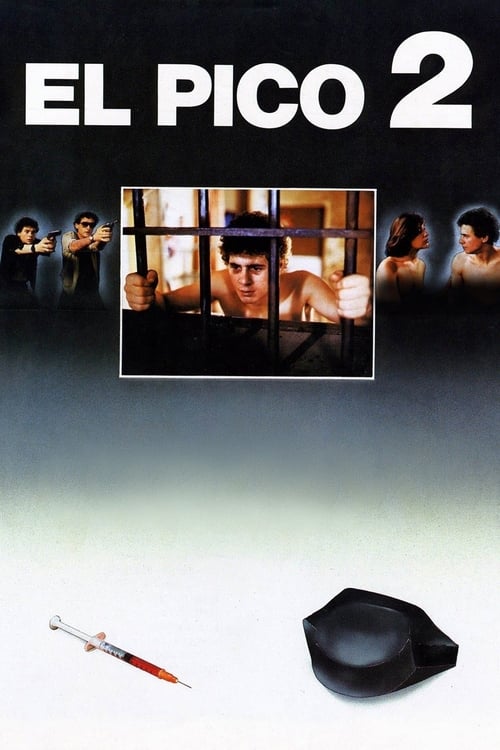
El pico 2
1984
No user ratings available yet
Representation score: 6.6 out of 10

Representation Score
Excellent
1983
Director
Eloy de la Iglesia
Runtime
105 minutes
Average Rating
No ratings yetNew Showbiz Analysis
Eloy de la Iglesia presents a transgressive narrative that centers underrepresented identities to critique institutional power. The film excels in its sophisticated deconstruction of traditional authority and moral hierarchies, particularly through its authentic portrayal of queer subcultures. While the film offers a raw look at the psychological complexities of addiction, it remains more focused on class and social displacement than on ethnic plurality. This creates a specific, localized lens of 'otherness' that defines the characters' struggles. Ultimately, the work succeeds as a critique of systemic neglect. By framing antisocial behaviors as consequences of institutional failure, it challenges the rigid legal and religious standards of the era.
Category Breakdown
The film challenges the assumption that everyone is straight or cisgender by focusing on queer identity and same-sex intimacy. Instead of making queer desire a side story, it integrates it as a key part of the characters' lives.
Female characters play a significant role in driving the story within risky, non-traditional settings. They avoid being portrayed as submissive and navigate social decay with independence, complicating traditional patriarchal roles.
The narrative highlights characters who are underrepresented due to their social displacement rather than their ethnicity. It emphasizes how these characters are 'othered' based on their deviation from mainstream norms.
The film questions traditional Western institutions like the state and family. It depicts these traditional social structures as oppressive, prioritizing the survival-based ethics of underrepresented groups.
The film treats addiction as a central, defining condition rather than a mere plot device. It avoids portraying addiction as inspirational, focusing instead on the harsh realities of dependency.
Present on Screen
Limited or Absent
Official Synopsis
Paco, the teenage son of a Civil Guard commander in Basque Country, becomes addicted to heroin.
1984

1979
1986

1983

2005

2019

2011

1977
No reviews yet. Be the first to share your thoughts on this movie!
Use the rating form above to leave a star rating and optional review.