
3: The Dale Earnhardt Story
2004
No user ratings available yet
Diversity score: 2.3 out of 10
2006
Director
Alberto Negrin
Runtime
201 minutes
Average Rating
No ratings yetSynopsis
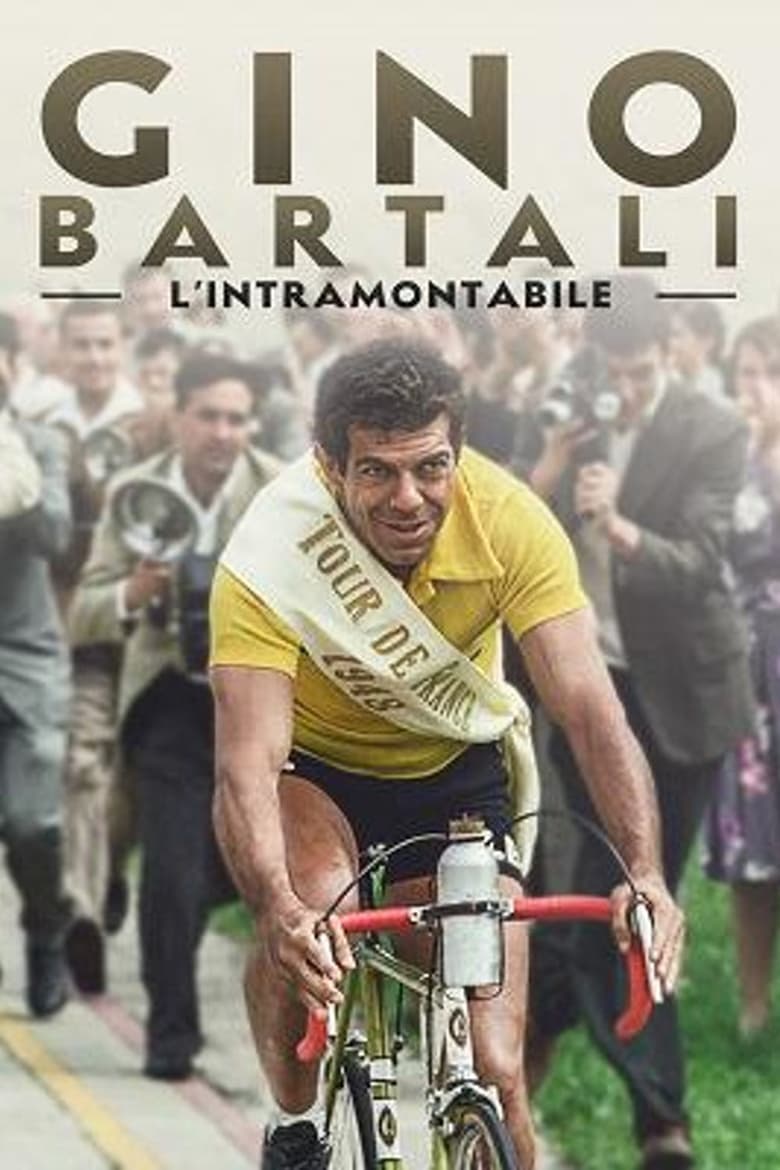
TV Miniseries (2 episodes) about life and rivalry of italian bikers Gino Bartali and Fausto Coppi.
Overall Score
Limited
Category Breakdown
LGBTQ+ Representation
The film focuses on the hyper-masculine environment of mid-20th-century cycling and wartime resistance. It lacks non-cisnormative identities or narratives that challenge heteronormativity.
Gender Representation
The story centers on male-dominated athletic and military spheres. Female characters are relegated to traditional, supportive roles within the domestic social fabric rather than driving the plot.
Racial & Ethnic Diversity
The film provides meaningful representation by depicting the Jewish community during the Holocaust. It highlights the systemic persecution of ethnic and religious minorities through Bartali's humanitarian efforts.
Religious & Cultural Diversity
The narrative critiques fascist ideology by framing illegal humanitarian acts as moral imperatives. It explores situational ethics through the protagonist's defiance of totalitarian state authority.
Disability Representation
There is no significant focus on visible or invisible disabilities. The physical demands of cycling emphasize athletic prowess rather than exploring neurodivergence or chronic illness.
Strengths
Areas for Improvement
AI Analysis
This biographical drama prioritizes historical accuracy and traditional masculine archetypes. It functions as a period piece that reflects the social structures of the mid-20th century rather than seeking to subvert them. The film's diversity is uneven, lacking modern intersectional breadth in gender and LGBTQ+ representation. However, it gains depth by centering ethnic and religious minorities within the moral stakes of the wartime narrative. Ultimately, the work succeeds in portraying a struggle against systemic oppression, using the protagonist's defiance of authority to explore complex humanitarian ethics.
No reviews yet. Be the first to share your thoughts on this movie!
Use the rating form above to leave a star rating and optional review.