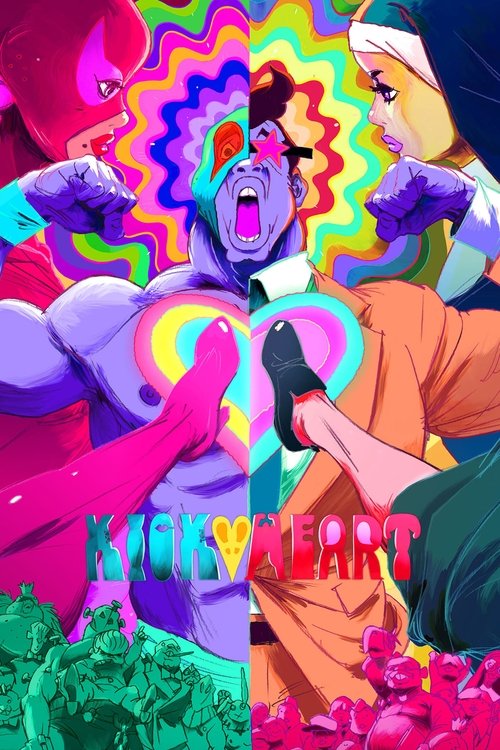
Kick-Heart
2013
No user ratings available yet
Representation score: 8.3 out of 10

Representation Score
Fair
2020
Director
Yuichi Fukuda
Runtime
114 minutes
Average Rating
No ratings yetNew Showbiz Analysis
Wotakoi: Love is Hard for Otaku validates the Otaku subculture as a meaningful identity by centering the Otaku experience. It challenges the typical office worker stereotype by giving protagonists ability to act over their unique passions. However, the film remains within traditional boundaries. It lacks diverse representation, particularly in LGBTQ+ and ethnic contexts, staying firmly rooted in a homogeneous cultural setting. Ultimately, it is a study of preserving individual identity within a conformist society. While it provides a platform for niche interests, it does not engage in broader systemic critiques.
Category Breakdown
The film follows a traditional romantic storyline between the main characters, focusing on heterosexual relationships. It does not include non-binary gender identities or LGBTQ+ subplots, sticking to conventional romantic structures.
Narumi Momose offers significant representation by taking a central role in the narrative. She explores the tension between maintaining a traditionally feminine appearance and her intense, unconventional passions, providing substantial ability to act.
The casting is consistent with a specific Japanese context, lacking diverse representation. While it avoids whitewashing, it does not use varied casting to challenge ethnic norms.
The story highlights the Otaku subculture as a legitimate identity within Japanese society. It emphasizes interpersonal relationships rather than critiquing systemic or Western institutions.
The characters are depicted as neurotypical office workers. There is no prominent portrayal of physical or neurodivergent disabilities within the narrative.
Present on Screen
Limited or Absent
Official Synopsis
An effervescent musical about one of the most unlikely couples seen on screen: two Otaku intent on hiding their nerdiness from their colleagues!
2013

2022

2017

2017

2019

2015

2006
2005
No reviews yet. Be the first to share your thoughts on this movie!
Use the rating form above to leave a star rating and optional review.