
The Transgressor
1974
No user ratings available yet
Representation score: 5.2 out of 10
Representation Score
Fair
1992
Director
Paco del Toro
Runtime
83 minutes
Average Rating
No ratings yetNew Showbiz Analysis
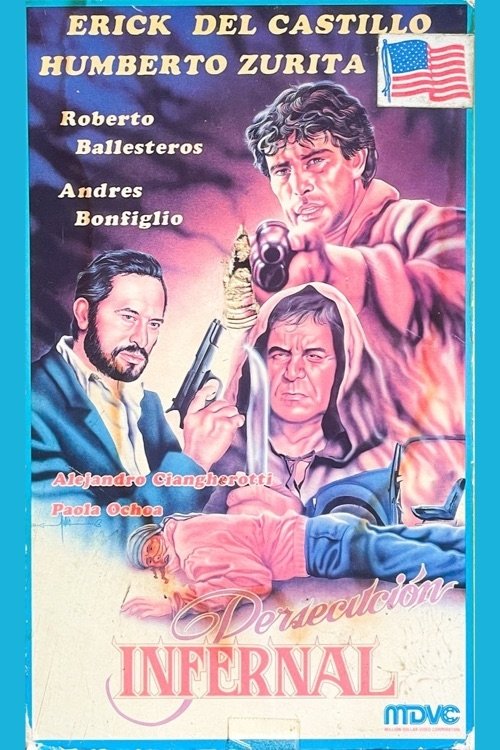
Persecución infernal is a product of 1990s Mexican genre cinema that prioritizes regional identity over complex diversity. By centering a Mexican cast, the film successfully disrupts Anglo-centric cinematic norms and provides a culturally specific framework for its horror elements. However, the film remains tied to traditional genre clichés. The lack of visible LGBTQ+ representation and the potential for female characters to function as mere plot devices limits its progressive impact. While it engages with religious and systemic tension, it does not appear to pursue a radical political or social agenda. Ultimately, the film serves as a reflection of its cultural origins rather than a deliberate attempt at social subversion. It offers solid regional representation but lacks the diverse character depth required for a higher diversity rating.
Category Breakdown
The film does not include any explicit LGBTQ+ characters or narratives that challenge the assumption that everyone is straight or cisgender. The story focuses on students facing supernatural threats rather than exploring LGBTQ+ identities.
The film includes female cast members such as Paola Ochoa, but the genre often relies on clichés where women serve primarily as plot catalysts. There is little evidence of characters challenging traditional gender roles.
The film features a predominantly Mexican cast, centering a non-white ensemble within a high-stakes drama. This provides meaningful representation by grounding the narrative in a Latin American context.
The plot explores the tension between institutional religion and occultism through themes of astrology and satanic rites. It engages with belief systems and questions traditional authority.
There is no discernible evidence regarding the portrayal of physical or neurodivergent disabilities within the provided information.
Present on Screen
Limited or Absent
Official Synopsis
It all started one night, they were witnesses ... Now they have to flee! A group of students discover the rites and sinister plans of a satanic organization.
1974

1977

1997

1996
1992
1966

2009
1978
No reviews yet. Be the first to share your thoughts on this movie!
Use the rating form above to leave a star rating and optional review.