Boonie Bears: The Wild Life
2021
No user ratings available yet
Representation score: 6.3 out of 10
Representation Score
Fair
2026
PGDirector
Daniel Chong
Runtime
104 minutes
Average Rating
No ratings yetNew Showbiz Analysis
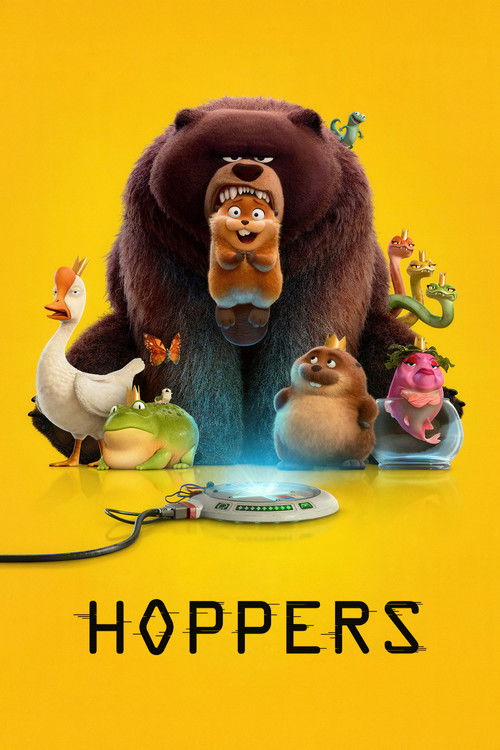
Hoppers centers an Asian-American woman whose agency drives the plot, challenging local authority and using technology to protect nature. This strong gender and racial representation elevates the film’s inclusivity. The story critiques bureaucratic indifference to environmental destruction, framing the mayor’s development plans as destructive. This cultural commentary adds depth to its progressive narrative. However, the absence of LGBTQ+ and disability representation limits its inclusivity. The film relies on a standard activist-versus-developer conflict, missing opportunities for broader representation.
Category Breakdown
No LGBTQ+ characters appear or are identified in the film. The narrative prioritizes Mabel’s environmental mission over romantic subplots, leaving queer identities absent from both the story and the credited cast.
Mabel Tanaka is the sole protagonist, driving the plot through activism and scientific curiosity. Male characters, including the mayor and professors, function as secondary figures or obstacles rather than co-leads.
Mabel Tanaka’s name signals Asian representation in a central role. Supporting voices like Aparna Nancherla and Eduardo Franco suggest a diverse ensemble, though their specific on-screen roles remain unconfirmed.
The story critiques urban development and local authority when the mayor plans to destroy a natural habitat. It frames environmental stewardship as a moral duty, questioning infrastructure over nature.
No characters with physical or mental disabilities appear in the plot or cast list. The narrative focuses on able-bodied protagonists engaging with technology and wildlife, omitting disability perspectives.
Present on Screen
Limited or Absent
Official Synopsis
Scientists have discovered how to 'hop' human consciousness into lifelike robotic animals, allowing people to communicate with animals as animals. Animal lover Mabel seizes an opportunity to use the technology, uncovering mysteries within the animal world beyond anything she could have imagined.
2021
2007
2024
2020
2020

2023
2015
1998
No reviews yet. Be the first to share your thoughts on this movie!
Use the rating form above to leave a star rating and optional review.