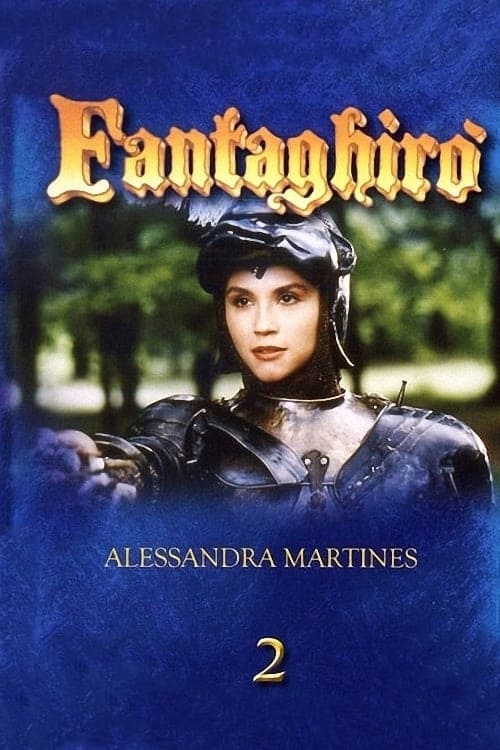
The Cave of the Golden Rose 2
1992
No user ratings available yet
Representation score: 3.3 out of 10
Representation Score
Limited
1991
Director
Lamberto Bava
Runtime
200 minutes
Average Rating
No ratings yetNew Showbiz Analysis
The film adheres closely to traditional genre conventions, focusing on established fairy tale structures. While it offers some subversion of gender roles through its active female protagonist, it lacks broader representation of diverse identities and social issues. The narrative relies heavily on historical clichés, such as the 'sick parent' and the traditional romantic quest. These elements prioritize classic storytelling over the representation of diverse identities or social deconstruction. Ultimately, the work reinforces Western heroic archetypes, providing some ability to act to its lead character while maintaining a homogeneous cultural and racial framework.
Category Breakdown
The movie follows a traditional fairy tale storyline focused on heterosexual relationships. It does not include any non-cisgender gender identities or same-sex relationships.
The princess is portrayed as a tomboy who actively participates in combat and physical activities. This breaks the passive damsel-in-distress stereotype, although the story concludes with a traditional romantic resolution.
The film features a typical European medieval setting with a homogeneous cast. It does not intentionally blend different races or ethnicities.
The story is rooted in traditional folklore and moralistic quests. It emphasizes Western heroic and family duty archetypes without offering deeper cultural critiques.
The story includes a sick maternal figure who serves as a key plot driver. However, this portrayal focuses on traditional narrative devices rather than exploring disability or chronic illness in depth.
Present on Screen
Limited or Absent
Official Synopsis
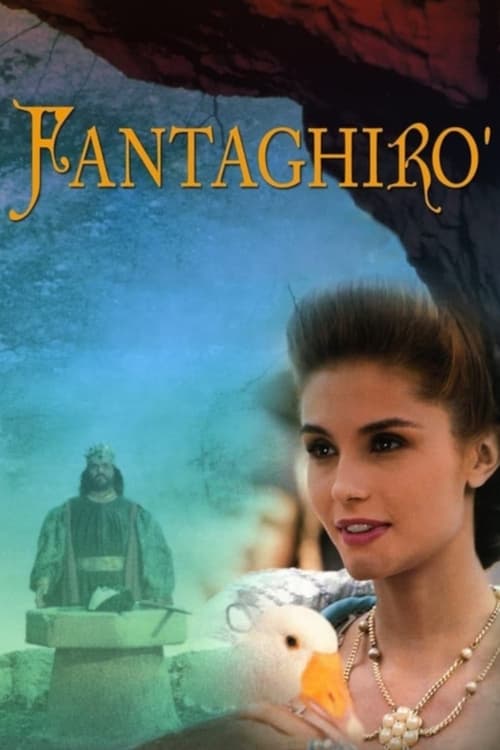
After a queen's tragic death, the king abandons his newborn daughter in a cave, but a witch saves her. Years later, the tomboy princess must confront and ultimately falls in love with the enemy king.
1992

1993
1994
1996

1986
1994
1997
1971
No reviews yet. Be the first to share your thoughts on this movie!
Use the rating form above to leave a star rating and optional review.