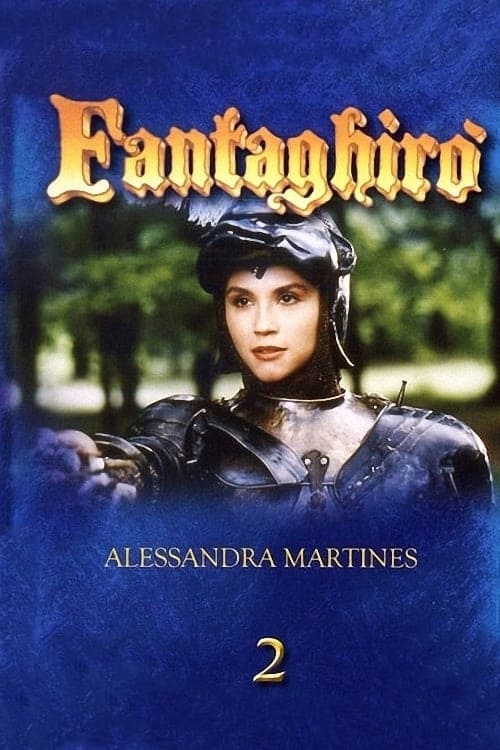
The Cave of the Golden Rose 2
1992
No user ratings available yet
Representation score: 3.3 out of 10

Representation Score
Fair
1993
Director
Lamberto Bava
Runtime
200 minutes
Average Rating
No ratings yetNew Showbiz Analysis
The film highlights a strong female protagonist who uses her intelligence and leadership skills to resolve the conflict. Fantaghirò actively leads the resolution rather than being a passive romantic figure, challenging traditional fantasy clichés. However, the production remains rooted in traditional European cinematic conventions. The racial and cultural settings appear limited to a Eurocentric, medieval perspective common to the genre during this time. While the film presents moral complexity through the antagonist's motivations, it lacks explicit LGBTQ+ representation or disability inclusion, sticking to more conventional narrative structures.
Category Breakdown
The story centers around the romantic relationship between Fantaghirò and Romualdo. There is no indication of same-sex relationships or non-cisgender identities in the narrative.
Fantaghirò breaks traditional gender roles by acting as a tactical leader instead of a damsel in distress. She initiates the quest and discovers ways to defeat armies, driving the plot forward.
The film adheres to a Eurocentric aesthetic typical of 1990s European fantasy. The setting suggests a traditional medieval framework with likely homogeneous racial representation.
The narrative employs a subjective morality framework where the villain is motivated by prophecy. It upholds conventional Western values related to royal lineage and family protection.
There is no information about characters with visible or invisible disabilities in the provided material.
Present on Screen
Limited or Absent
Official Synopsis
The powerful evil wizard Tarabas gets knowledge about a prophecy that a king's child will defeat him. So he sends out his army of dead soldiers to kidnap all royal children. When the soldiers attack Fantaghiro's castle to steal the babies of her sisters, the battle seems to be lost until she discovers the secret to defeat the solders but by doing that she loses Romualdo. Now Fantaghiro must find the evil wizard Tarabas and convince him to break the spell and bring back Romualdo.
1992
1958
1994
1985
1991

1986
1996
1994
No reviews yet. Be the first to share your thoughts on this movie!
Use the rating form above to leave a star rating and optional review.