
Flight
2012
No user ratings available yet
Representation score: 5.0 out of 10
Representation Score
Fair
1999
RDirector
Martin Scorsese
Runtime
121 minutes
Average Rating
No ratings yetNew Showbiz Analysis
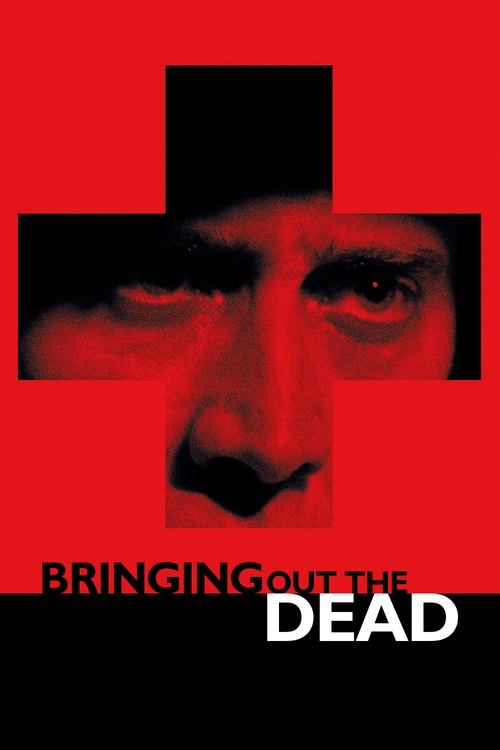
Martin Scorsese's drama is a character study of existential weariness that prioritizes psychological depth over identity politics. It successfully captures the diverse, multi-ethnic tapestry of New York City, presenting a realistic urban landscape where various backgrounds intersect through shared struggle. However, the film remains anchored in traditional structures. It operates within a heavily male-centric framework and relies on Catholic imagery for its moral compass. This focus on individual spiritual crisis limits its engagement with broader social or characters who reflect more than one aspect of diversity. Ultimately, while the film challenges traditional masculine archetypes by portraying a broken, vulnerable protagonist, it does not actively deconstruct gender hierarchies or provide significant space for non-male or non-straight perspectives.
Category Breakdown
The film focuses almost entirely on the male protagonist's inner world and his professional network. There are no LGBTQ+ characters or stories that explore non-traditional gender identities.
The story centers around male characters and their shared experiences, particularly focusing on addiction and vulnerability. However, it lacks strong female roles in the main storyline.
Set in New York City, the film showcases a diverse urban environment with various ethnic backgrounds and socioeconomic statuses. It avoids whitewashing by depicting a heterogeneous cityscape.
The narrative is deeply rooted in Catholic imagery and spiritual redemption. It critiques dehumanizing urban systems through a traditional religious lens rather than a secular perspective.
The film provides a vivid portrayal of mental health and psychological trauma. However, the protagonist's hallucinations often align with the 'broken man' stereotype used to evoke existential dread.
Present on Screen
Limited or Absent
Official Synopsis
Once called "Father Frank" for his efforts to rescue lives, Frank Pierce sees the ghosts of those he failed to save around every turn. He has tried everything he can to get fired, calling in sick, delaying taking calls where he might have to face one more victim he couldn't help, yet cannot quit the job on his own.
2012
1985

2014

1979
2011

1993

1980

2008
No reviews yet. Be the first to share your thoughts on this movie!
Use the rating form above to leave a star rating and optional review.