
Fearless
1993
No user ratings available yet
Representation score: 3.0 out of 10
Representation Score
Limited
1980
RDirector
Robert Redford
Runtime
124 minutes
Average Rating
No ratings yetNew Showbiz Analysis
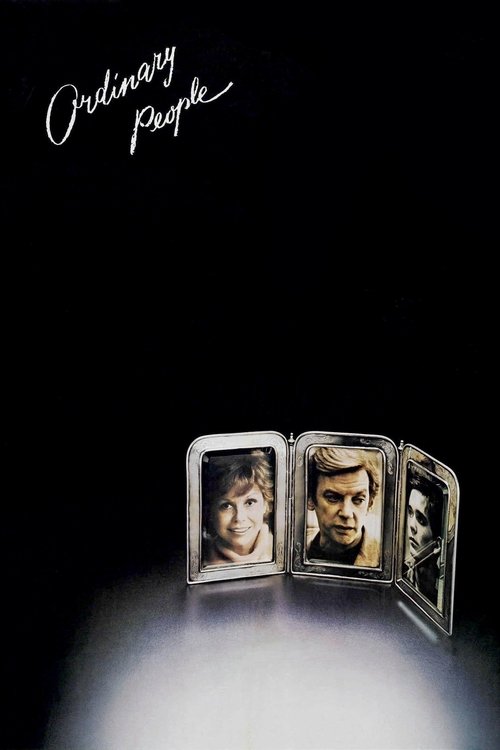
Ordinary People is a character-driven exploration of psychological realism that emphasizes depth over broad demographic representation. It dismantles the myth of a stable, traditional family through nuanced performances. However, the film is limited by its lack of diverse representation. The cast and setting are predominantly white and middle-class, reflecting a specific socioeconomic context. Ultimately, the film's strength lies in its critique of suburban ideals, offering a sophisticated look at the fragility of established social and familial structures.
Category Breakdown
The film focuses on a traditional, straight family structure. It does not include any characters with non-binary gender identities or same-sex relationships.
The story examines gender roles by showing Beth as emotionally detached rather than a nurturing mother. Calvin's storyline highlights the constraints of traditional masculine behavior during a family crisis.
The setting is a homogeneous, white, middle-class suburb. There is no representation of racial diversity or casting actors from different backgrounds.
The narrative challenges the idea of a perfect suburban life by focusing on family dysfunction. It portrays the breakdown of traditional values as a result of personal trauma.
Conrad’s battle with depression and his suicide attempt highlight the portrayal of invisible disabilities. The film avoids inspirational stories and instead focuses on the complex reality of mental health issues.
Present on Screen
Limited or Absent
Official Synopsis
Beth, Calvin, and their son Conrad are living in the aftermath of the death of the other son. Conrad is overcome by grief and misplaced guilt to the extent of a suicide attempt. He is in therapy. Beth had always preferred his brother and is having difficulty being supportive to Conrad. Calvin is trapped between the two trying to hold the family together.
1993

1987
2010
1978

2015

1985

2007

1974
No reviews yet. Be the first to share your thoughts on this movie!
Use the rating form above to leave a star rating and optional review.