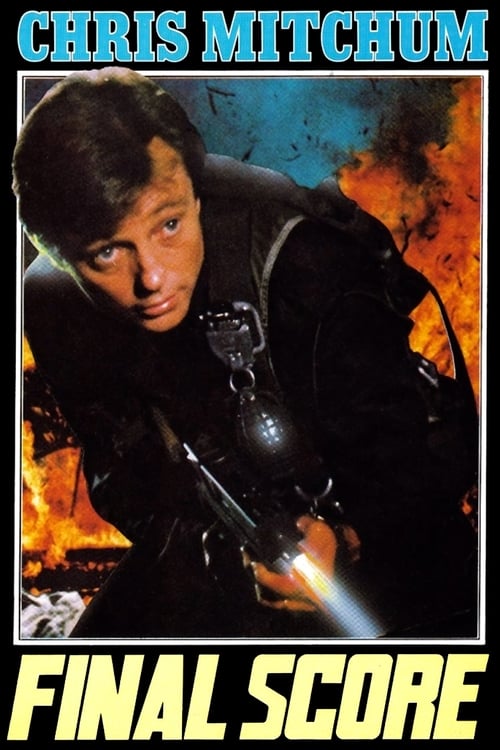
Final Score
1986
No user ratings available yet
Diversity score: 3.0 out of 10

1986
RDirector
Arizal
Runtime
87 minutes
Average Rating
No ratings yetSynopsis
Peter Goldson, aka The Stabilizer, searches for drug smuggler Greg Rainmaker. Rainmaker killed Goldson's fiancee by kicking her with his spiked shoes, and now Goldson wants revenge. Meanwhile, Rainmaker has kidnapped the famous Professor Protost, and the Stabilizer teams up with his daughter Christina to save the Professor and bring Rainmaker down for good.
Overall Score
Limited
Category Breakdown
LGBTQ+ Representation
The film centers on a traditional revenge arc involving a heterosexual romantic bond. There is no evidence of non-cisnormative identities or critiques of heteronormativity within the narrative.
Gender Representation
While Christina gains agency by partnering with the protagonist to save her father, the plot is driven by male vengeance. The character dynamics follow a conventional hierarchy of power.
Racial & Ethnic Diversity
The film utilizes a standard hero versus villain framework. Without evidence of a non-Anglo-Saxon majority or intentional ethnic blending in central roles, it reflects standard genre distributions of the era.
Religious & Cultural Diversity
The story reinforces the trope of individual vigilantism to achieve moral resolution. It does not appear to challenge traditional institutional norms or offer systemic critiques.
Disability Representation
No characters are identified as having neurodivergent or physical impairments. There are no visible or invisible disabilities portrayed in the provided synopsis.
Strengths
Areas for Improvement
AI Analysis
The Stabilizer is a quintessential 1980s action piece that prioritizes individualistic heroism over social complexity. The narrative relies on established genre tropes, focusing on a personal vendetta rather than exploring diverse perspectives or subverting social hierarchies. While the film provides some female agency through Christina's involvement in the rescue mission, the central power remains with the male protagonist. The story operates within standard gender and orientation binaries, offering little in the way of intersectional depth. Ultimately, the film functions as a straightforward moral binary of justice versus criminality. It lacks the narrative architecture required to address broader cultural, racial, or identity-based themes, sticking instead to the conventions of the era.
1986
1991

1996

1992

1990

1987

1985
1979
1992

1986
2001

1987
No reviews yet. Be the first to share your thoughts on this movie!
Use the rating form above to leave a star rating and optional review.