
Darker Shades of Elise
2018
No user ratings available yet
Representation score: 0.0 out of 10

Representation Score
Fair
2015
RDirector
Mardana M. Mayginnes
Runtime
90 minutes
Average Rating
No ratings yetNew Showbiz Analysis
Queen of Carthage functions as an intimate, character-driven indie drama rather than a vehicle for systemic social critique. Its strength lies in its international setting and diverse casting, which move away from homogeneous Hollywood formulas. The film's focus is primarily psychological and individualistic. It explores personal trauma and the outsider experience, though it lacks explicit representation of LGBTQ+ identities or disability. Ultimately, the production offers a moderate level of diversity through its multicultural backdrop and cast, even as the central narrative remains anchored in a traditional heterosexual romantic framework.
Category Breakdown
The story focuses on a heterosexual romantic relationship. There is no visible evidence of non-binary gender identities or critiques of the assumption that everyone is straight or cisgender.
The plot centers on a male protagonist's psychological journey and emotional volatility. While it explores complex familial dynamics involving a sister, the primary role remains with the male lead.
The film utilizes a diverse cast, including Keisha Castle-Hughes. The New Zealand setting provides a naturalistic backdrop for multiculturalism and ethnic blending.
Themes of displacement and identity are explored through an American drifter in a foreign land. The narrative favors individualistic psychological exploration over communal or institutional values.
The provided plot details do not mention characters navigating physical, neurodivergent, or mental health disabilities.
Present on Screen
Limited or Absent
Official Synopsis
An American Drifter discovers a New Zealand singer and develops an obsession for him.
2018

1990

1991

2023

2016

1971

2005
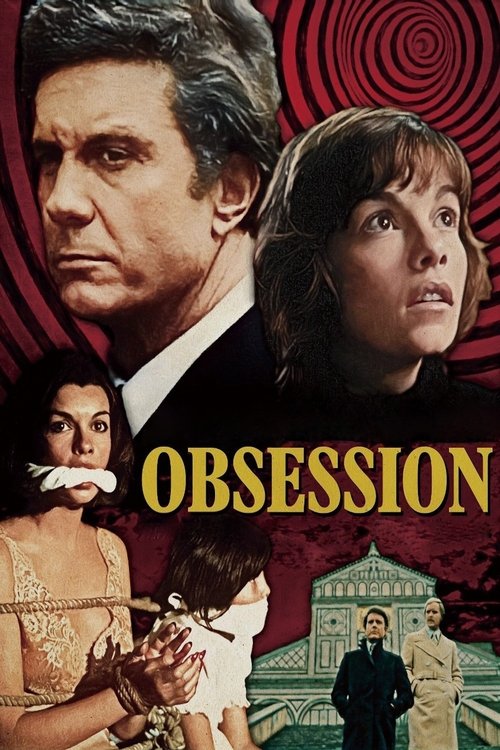
1976
No reviews yet. Be the first to share your thoughts on this movie!
Use the rating form above to leave a star rating and optional review.